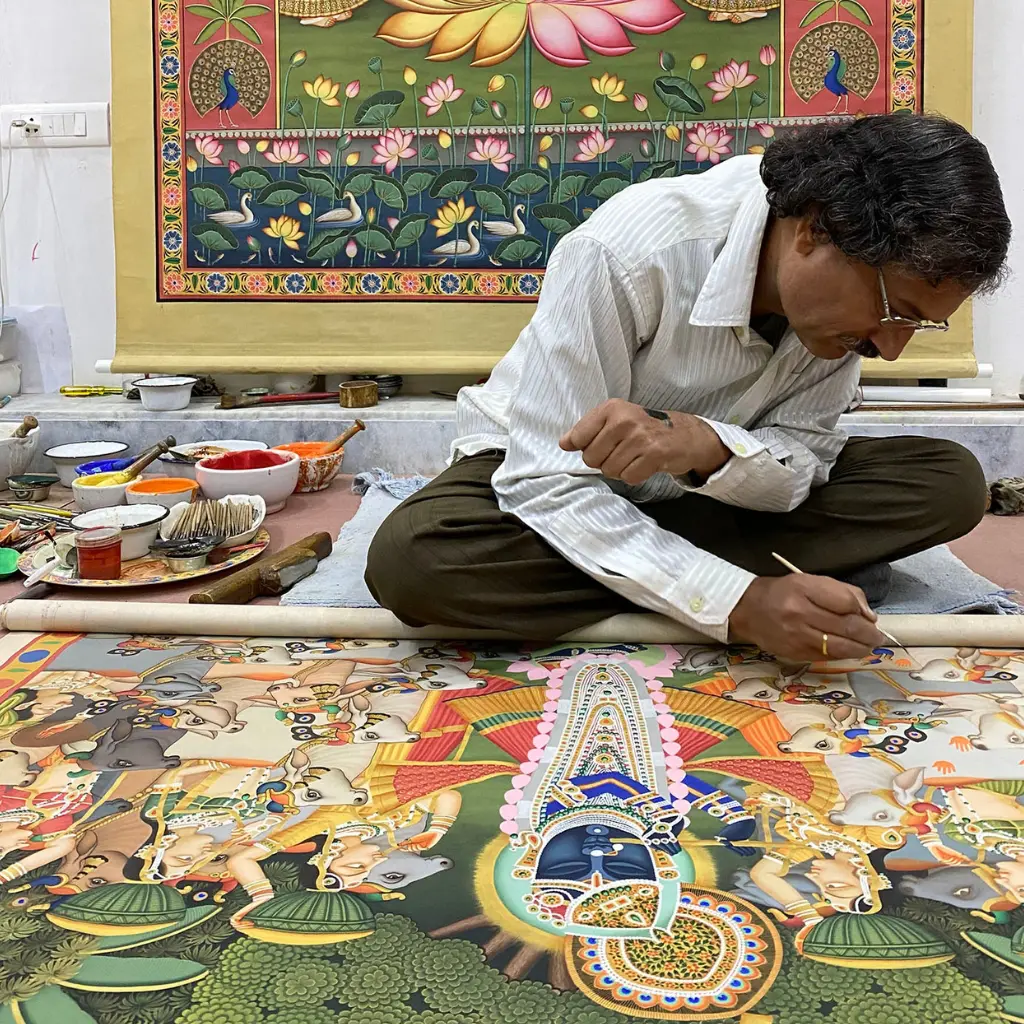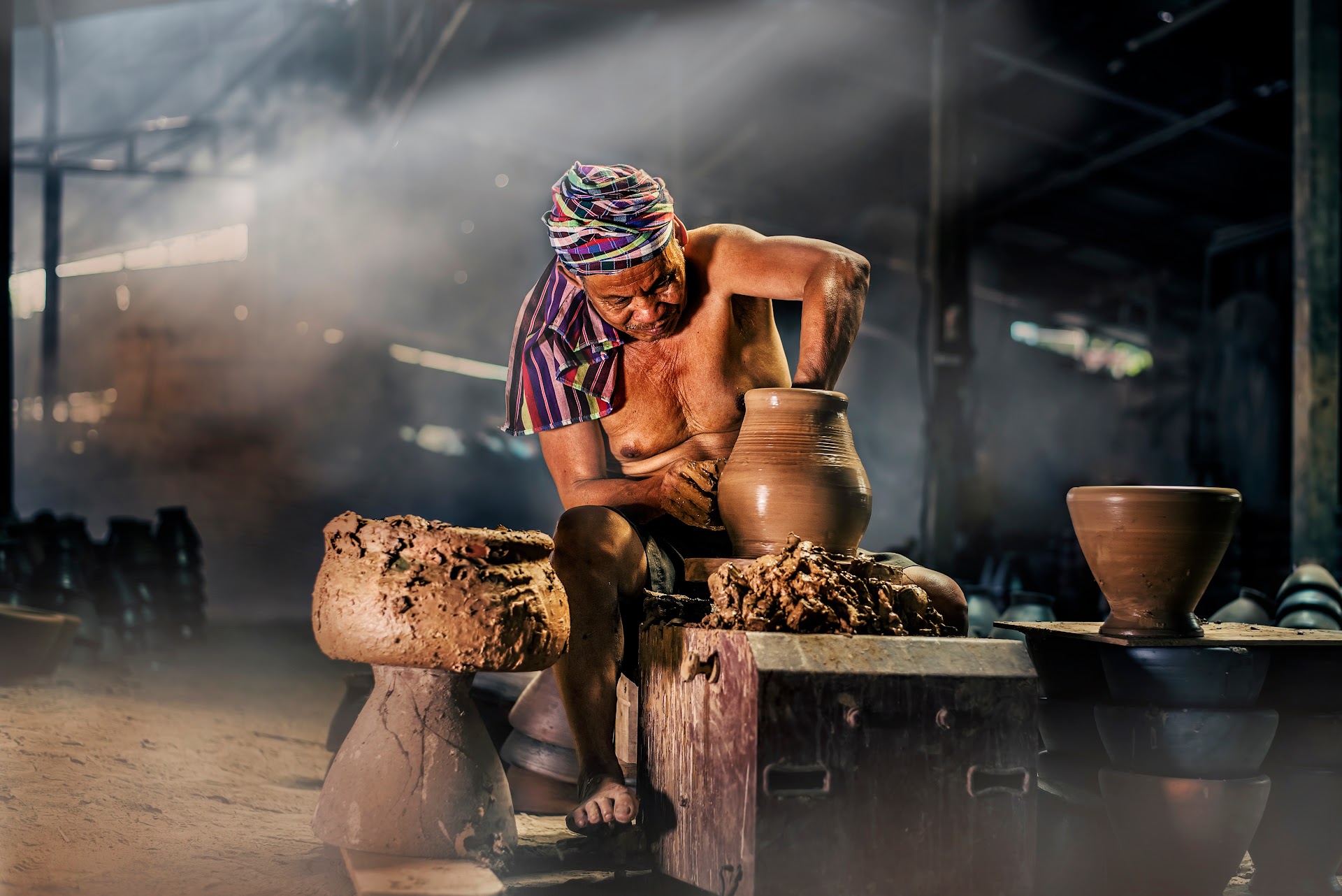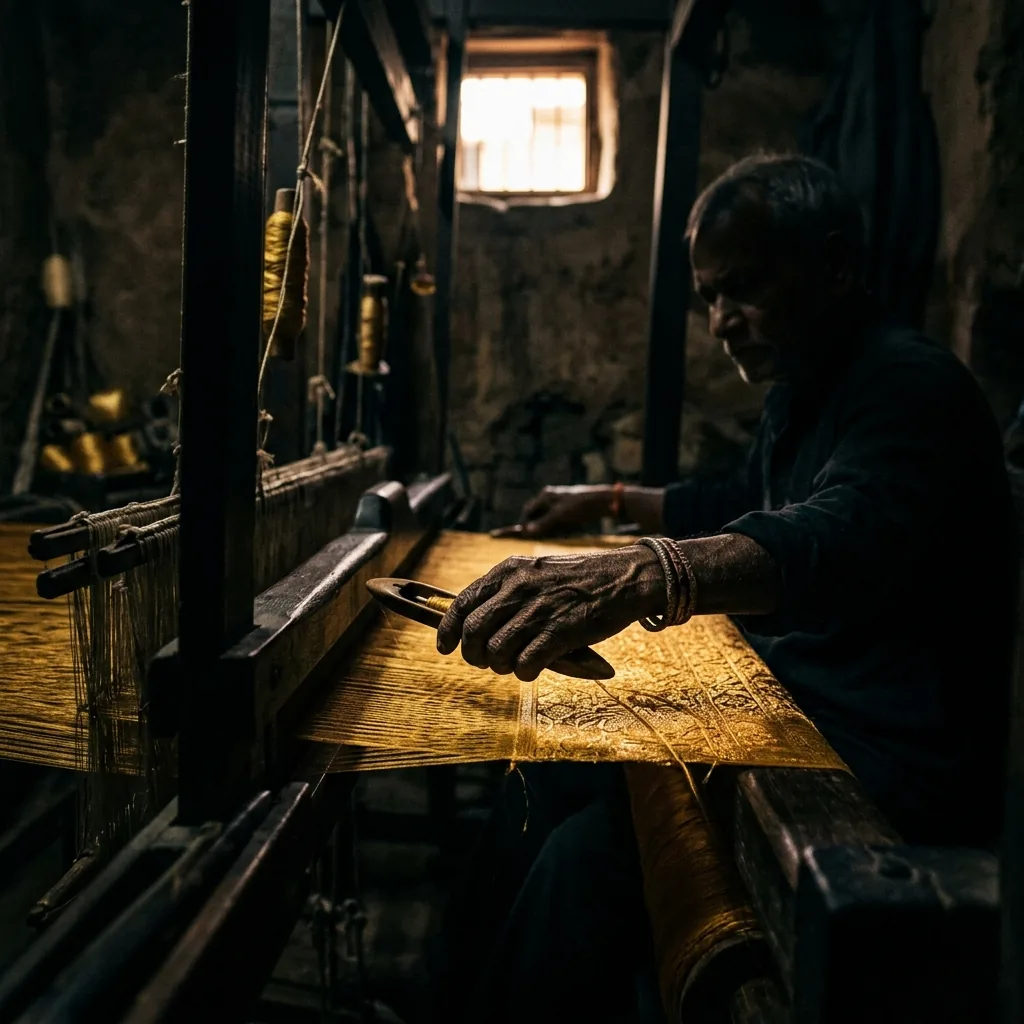
India is the richest textile culture on earth — a country where cloth is not merely made but printed, woven, tied, dyed and embroidered by hand in traditions that run back centuries, each rooted in a particular town, community and technique. To travel India through its textiles is to see the country from the inside, at the loom and the dye-vat rather than across a hotel lobby, and it is among the most rewarding themes a journey here can take.
For most of recorded history India clothed the world; its printed cottons and woven silks were traded from Rome to Java, and shaped fashion across Europe long before the industrial loom existed. Much of that living skill survives, held within families in dozens of specialist towns. A textile journey is really a route between those towns — and a chance to meet the master makers who still practise the finest of it.
To travel India through its textiles is to see the country from the inside — at the loom and the dye-vat rather than across a hotel lobby.
The block printers of Rajasthan
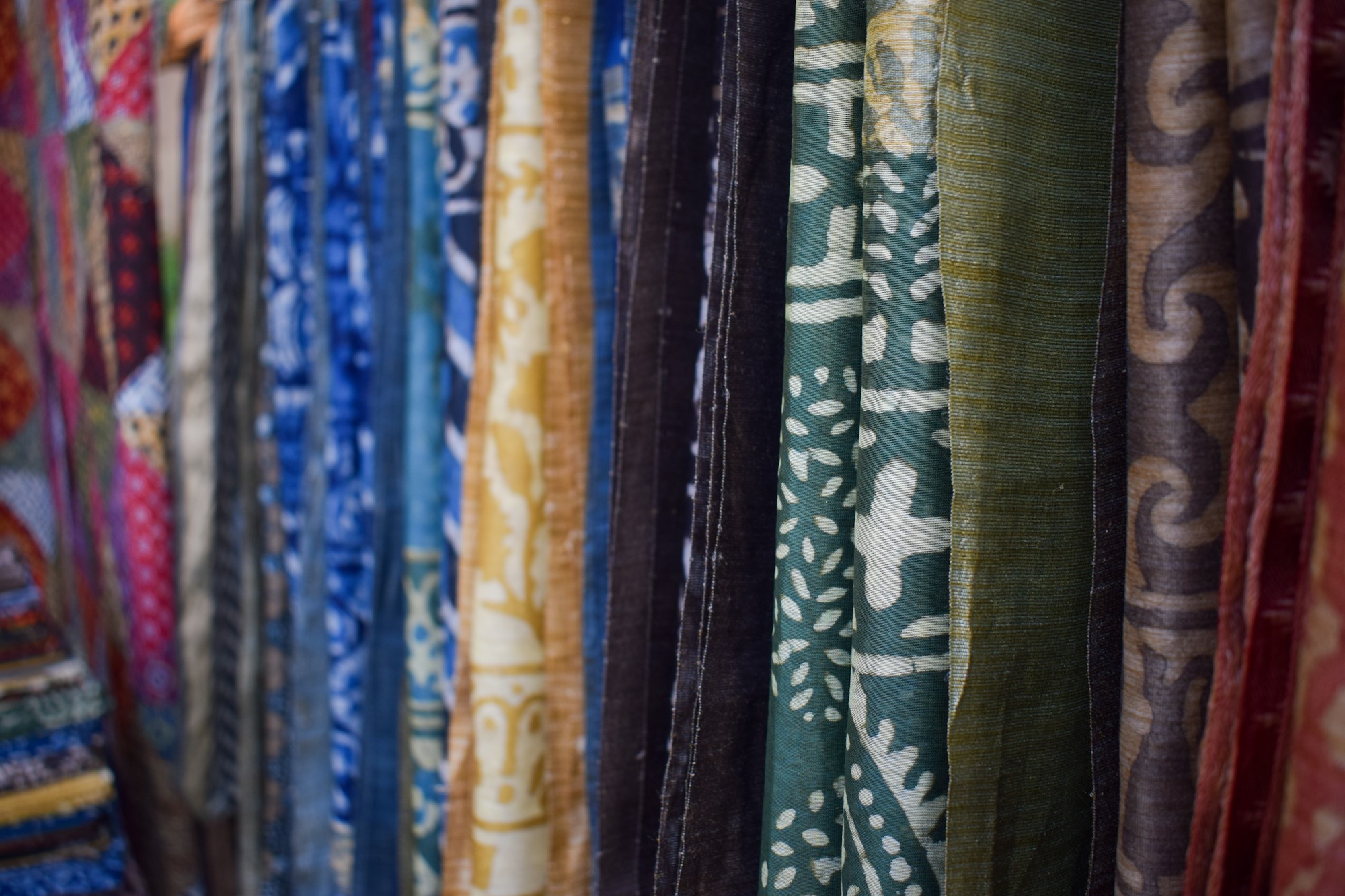
The natural place to begin is around Jaipur, in the printing villages of Bagru and Sanganer, where cloth is patterned the old way — by hand, one carved wooden block at a time. A printer works down a long table, aligning each stamp against the last by eye alone, building a repeat that can run flawlessly for metres. It looks effortless and is anything but; the register never slips, and a good length carries the small, honest irregularities that tell you no machine was near it.
Bagru is known for its earthy, mud-resist dabuDabuA mud-resist printing technique in which clay paste is block-stamped onto cloth to protect it from the dye.Read in the glossary printing and its natural dyes — indigo, madder, pomegranate — fixed in the hard water of the village wells. Sanganer works in finer, brighter florals on white grounds. To spend a morning at the printing tables and the dyeing yards, watching cloth emerge from the indigo vat and oxidise from green to blue in the air, is to understand a craft that no photograph quite conveys.
The silk looms of Banaras and the Deccan
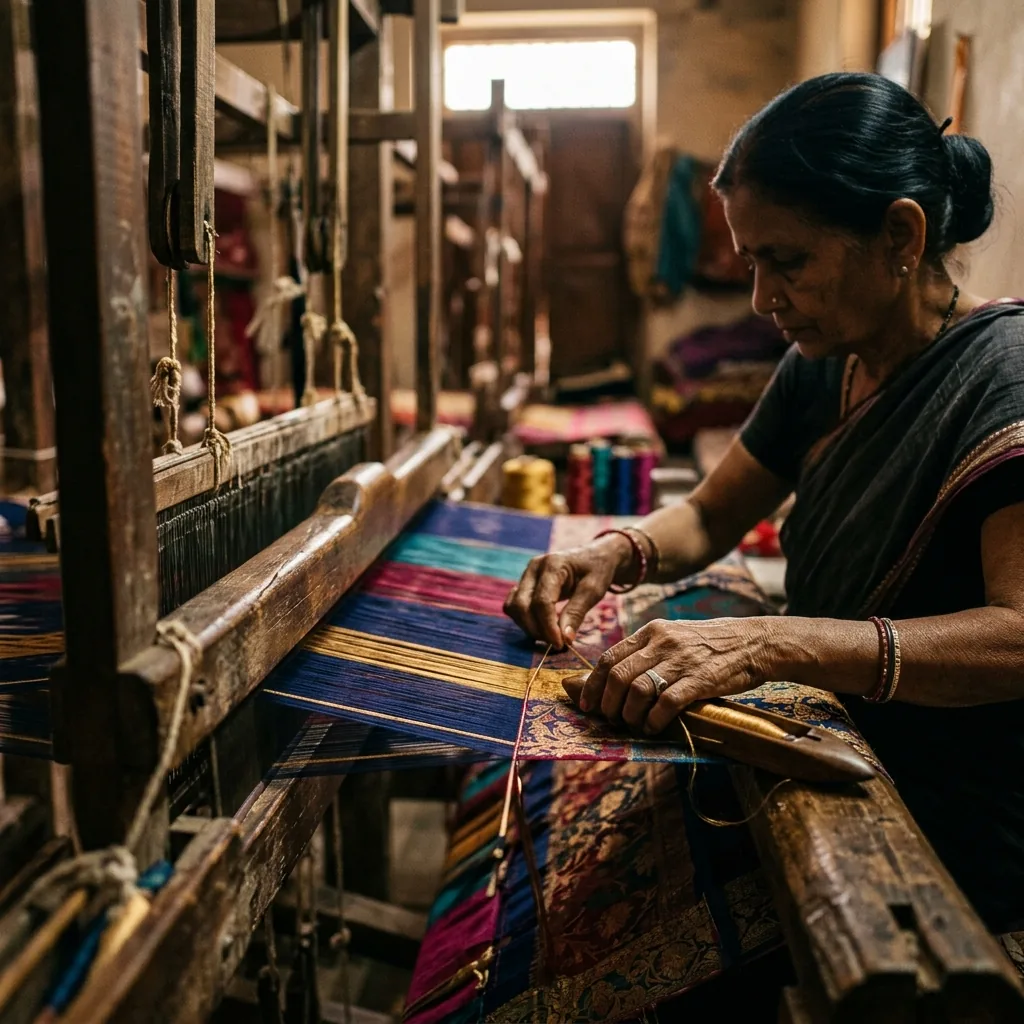
No survey of Indian cloth omits Varanasi, where the Banarasi sari is woven on pit looms in the narrow lanes of the old weaving quarters. These are brocades of extraordinary density, worked with zariZariThread wrapped in fine gold or silver, woven into silk to produce brocade.Read in the glossary — thread wrapped in real silver and gilt — into borders and motifs that MughalMughalRelating to the Muslim dynasty of Central Asian descent that ruled most of the subcontinent from the sixteenth to the eighteenth century.Read in the glossary patronage first brought to the city. The finest pieces take months and pass by reputation from a master weaver to a known family rather than through any shop.
The south weaves in a different register. Kanchipuram in Tamil Nadu produces the heavy temple silks worn at weddings across the region, their contrasting borders woven separately and interlocked to the body of the sari so they never come away. Between them, the looms of India cover an astonishing range — from gossamer Chanderi and Maheshwari cottons to the gold-shot silks of the Deccan courts — and each has its town, its community and its unmistakable hand.
Tie-dye, embroidery and the wool of the mountains
Gujarat and Rajasthan are the homeland of bandhani, the tie-dye in which thousands of minute points of cloth are tied off with a fingernail grown long for the purpose before the fabric is dyed, leaving a field of tiny reserved dots. Held up and shaken loose, a fine bandhani odhni opens like a constellation, and the count of the dots is what separates good work from great. Nearby, the shadow-white chikankariChikankariThe fine white shadow-embroidery of Lucknow, worked in cotton thread on sheer cloth.Read in the glossary embroidery of Lucknow and the mirror-work of Kutch each carry a region in a stitch.
Higher up, in the Himalaya, lies the most coveted cloth of all: pashmina, woven from the fine underfleece of a mountain goat and, at its best, hand-spun and hand-woven into shawls of almost weightless warmth. The trade is thick with imitation, and the genuine article is judged on the weave rather than on a shop's sales pitch — which is precisely why buying it well calls for the right introduction and an honest eye.
Travelling India by its textiles
A textile journey threads naturally through the north and west — Delhi's crafts museums for the overview, the printing villages around Jaipur, the tie-dyers and double-ikat weavers of Gujarat, and the silk looms of Varanasi — and can be extended south to Kanchipuram and the cotton towns of the Deccan for those who want the fuller picture. It is a journey of workshops and homes as much as monuments, and it suits the traveller who would rather understand one thing deeply than glimpse ten.
Elevated India composes these journeys with a textile historian alongside you and introductions built over years — a morning at the printing tables, an afternoon with a master weaver, honest guidance on what a piece should cost, and the difference between the tourist emporium and the family workshop that supplies it. The reward is not only cloth to take home, but a way of reading India that stays with you long after the trip.
Questions, Answered
Where are the best places to see textiles in India?
The block-printing villages of Bagru and Sanganer near Jaipur, the tie-dye and double-ikat towns of Gujarat, the silk-weaving quarters of Varanasi, and Kanchipuram in the south for temple silks. Delhi's crafts museums give the overview. Each town holds a distinct technique practised by hand.
How do you buy Indian textiles well?
Buy at the source with expert guidance rather than in tourist emporia. Learn to judge the weave and the reverse of a piece, understand what genuine zari or true pashmina should be, and travel with a textile historian who can distinguish master work from machine-made copies and advise on fair value.
Journeys That Take You There
Read Next