Culture, Craft & Cuisine8 min readPublished 22 April 2026
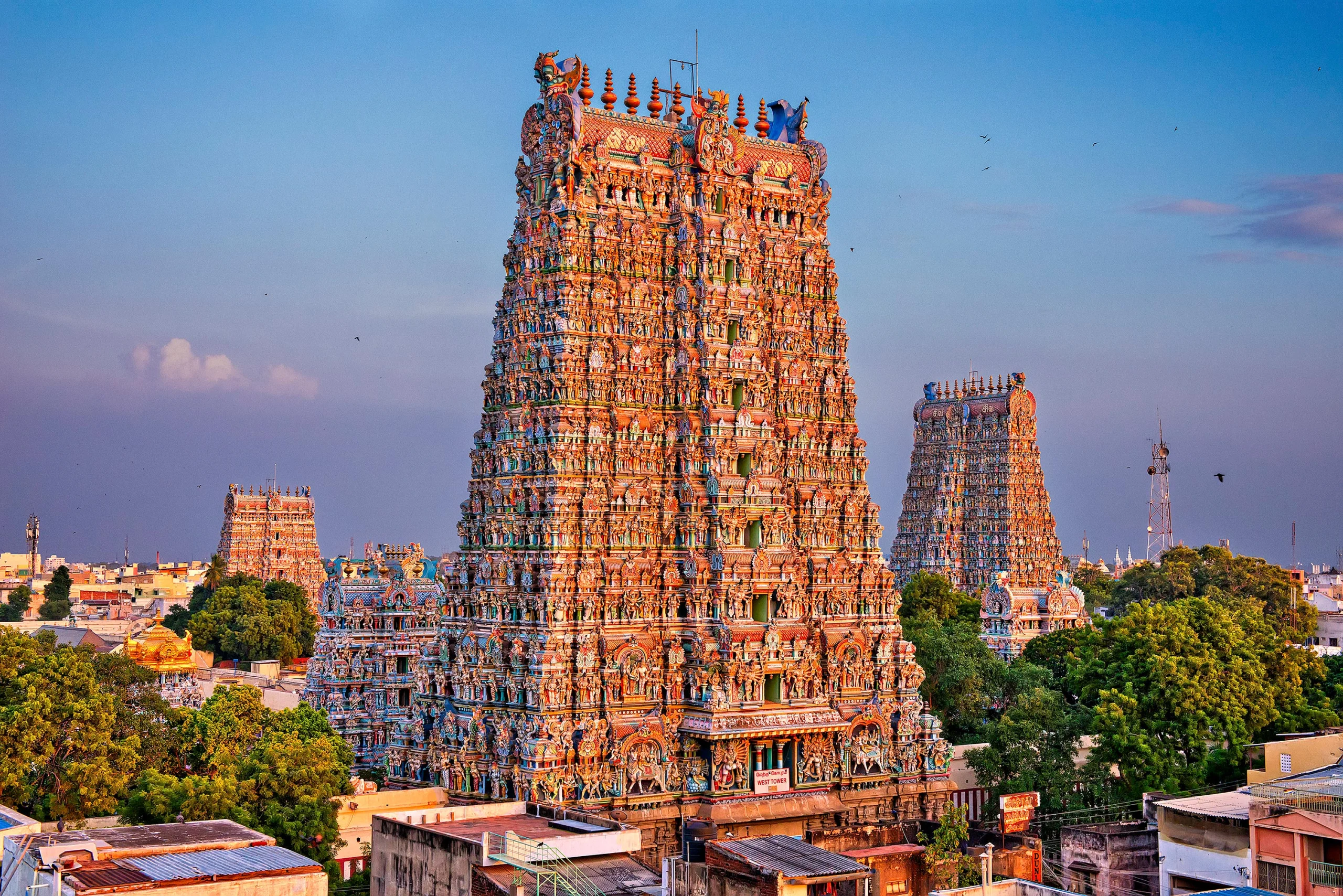
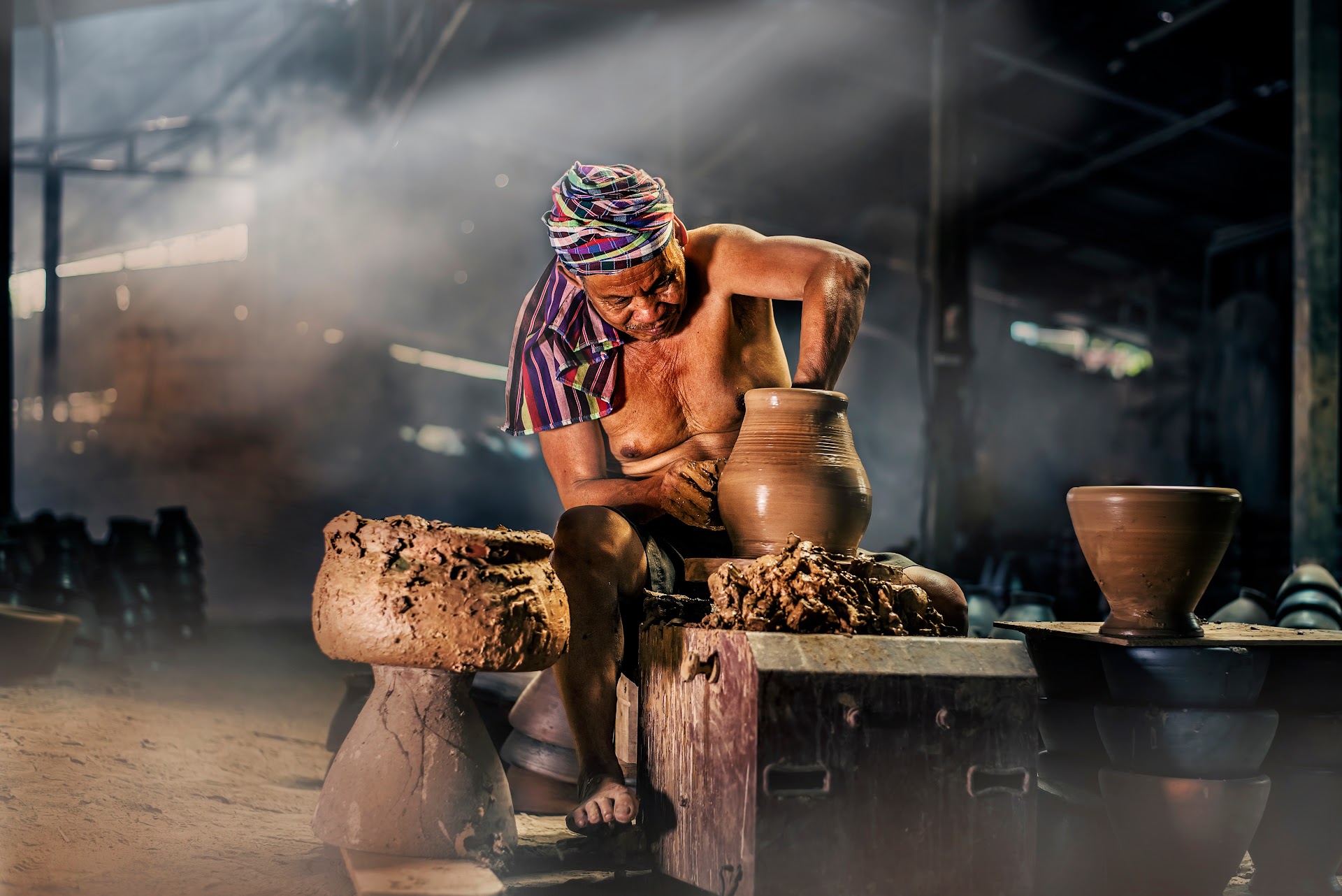
India is the last place on earth where great craft traditions survive at scale as living trades rather than heritage performances. The bronze casters of Thanjavur pour Nataraja figures by the same lost-wax method the Chola court commissioned a thousand years ago — not for museums, but for working temples. The block printers of Bagru cut new teak stamps every season. This continuity is the collector's opportunity and responsibility at once.
The difficulty is never finding craft in India; it is finding the masters among the merchandise. Every tourist corridor sells 'handmade' by the tonne. The real work happens two lanes back, in workshops that do not advertise, and reaching them is a matter of introductions.
Where the masters work
For textiles, three poles: Varanasi for silk brocade woven on jacquard pit looms; Jaipur and the villages of Bagru and Sanganer for block printing, where you can commission your own run; and Kutch in Gujarat, whose embroidery traditions — Rabari, Ahir, Suf — remain the subcontinent's finest needle work. Buy in the workshop, never the emporium, and expect the best pieces to be shown last, after tea.
For metal and stone: Thanjavur's bronze casters, working from the ancient Shilpa Shastra proportions; Jaipur's gem-cutting and kundan✦kundanJaipur's royal jewellery technique: uncut gemstones set in frames of pure, hammered gold foil — usually backed with meenakari enamel. The craft…Read in the glossary ↗ jewellery ateliers, where the meena enamel work on the reverse of a piece is the connoisseur's tell; and the marble inlay families of Agra, direct descendants of the Taj Mahal's pietra dura✦pietra duraThe inlay of polished coloured stones — carnelian, jade, lapis — into marble, brought to its Indian summit on the Taj Mahal. Agra's artisan families…Read in the glossary ↗ tradition.
Acquiring responsibly
Provenance in Indian craft is personal, not paperwork — you are buying from a named person, whose father you may have met, and the price should honour that chain. Bargaining has its place in bazaars; in a master's workshop it is poor form past a polite margin. Serious pieces ship formally with export documentation, which any legitimate atelier arranges without drama; antiquities over one hundred years old cannot leave India at all, which is worth knowing before falling in love with a temple bronze.
Our craft-focused journeys build these visits in — Jaipur ateliers on the Rajasthan circuits, Thanjavur bronze on the southern temple trail, weaving quarters in Varanasi — with curators who know the difference between the workshop and the showroom. Collected this way, an object carries its whole story home with it.
Questions, Answered
What are India's most famous craft traditions?
Banarasi silk brocade from Varanasi, block-printed textiles from Jaipur (Bagru and Sanganer), Kutch embroidery from Gujarat, Chola-method bronze casting in Thanjavur, kundan-meena jewellery in Jaipur, and marble inlay in Agra descended from the Taj Mahal's artisans.
Can antiques be exported from India?
No — objects more than 100 years old are protected antiquities and cannot legally leave India. Contemporary craft ships freely, and reputable workshops arrange formal export documentation.
Journeys That Take You There