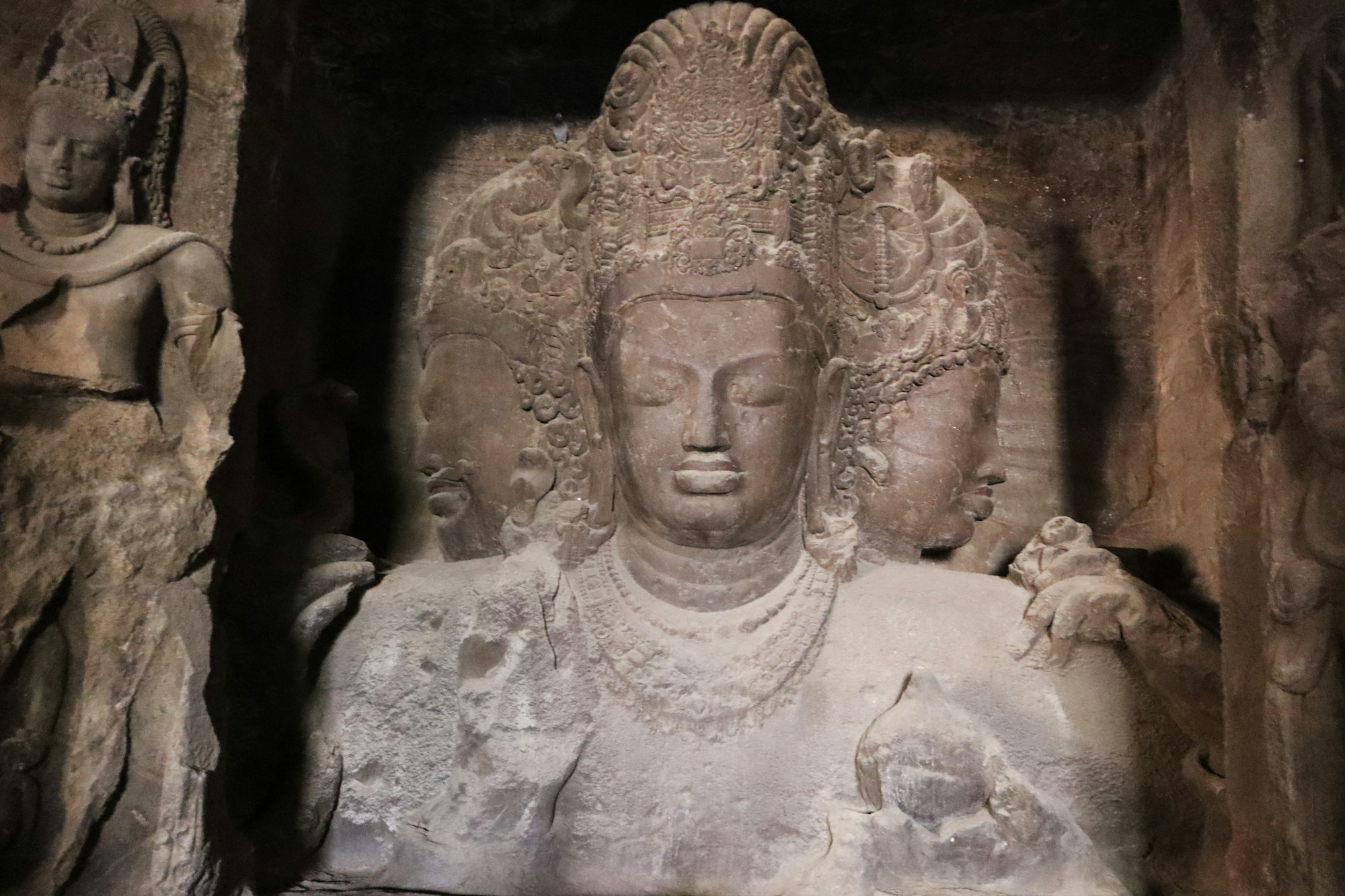
Elephanta Island sits an hour's launch ride across Mumbai harbour, and its main cave holds one of Indian art's supreme achievements: the Trimurti — a three-faced Shiva nearly six metres tall, carved from the living basalt around the sixth century, serene beyond the reach of the city's noise across the water.
The cave temple around it unfolds as a sculpted argument about the god's natures — Shiva dancing, marrying, meditating, destroying — in panels that survived Portuguese target practice with their power intact. The boat ride itself, past naval ships and the receding skyline, is half the pilgrimage.
Visiting Well
- Take the first boat from the Gateway of India (closed Mondays) — the caves hold silence only until mid-morning.
- The climb from jetty to caves is a stepped bazaar; sedan chairs exist for those who need them.
- Monsoon crossings can be rough or suspended; October to March is the dependable window.
How Elevated India Arranges It
We board the first launch with a sculpture historian, stand before the Trimurti while the cave is still empty, and are back on the mainland for lunch at the Taj — antiquity before afternoon.
Questions, Answered
How do you get to the Elephanta Caves?
By ferry from the Gateway of India in Mumbai — roughly an hour each way. Boats run from morning until late afternoon; the caves are closed on Mondays.
What is the Trimurti at Elephanta?
The cave's centrepiece: a colossal three-faced bust of Shiva (c. 6th century) nearly six metres high, depicting the god as creator, preserver and destroyer — among the most celebrated sculptures in Indian art.
Journeys That Take You There
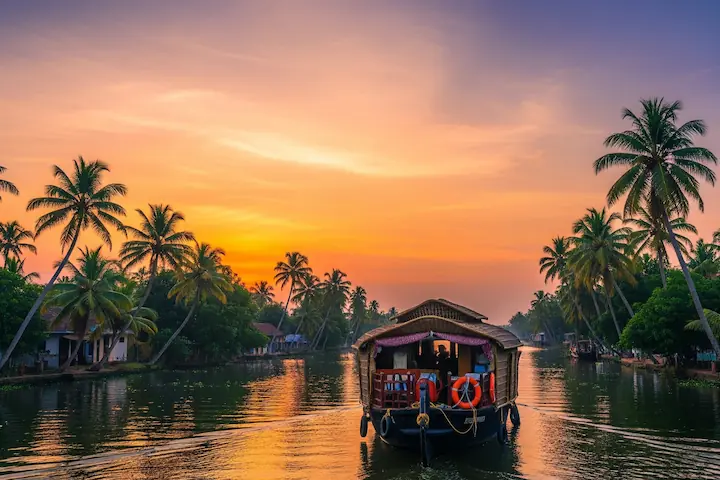
Malabar Passage: Mumbai to Kerala Backwaters
11 Days / 10 Nights
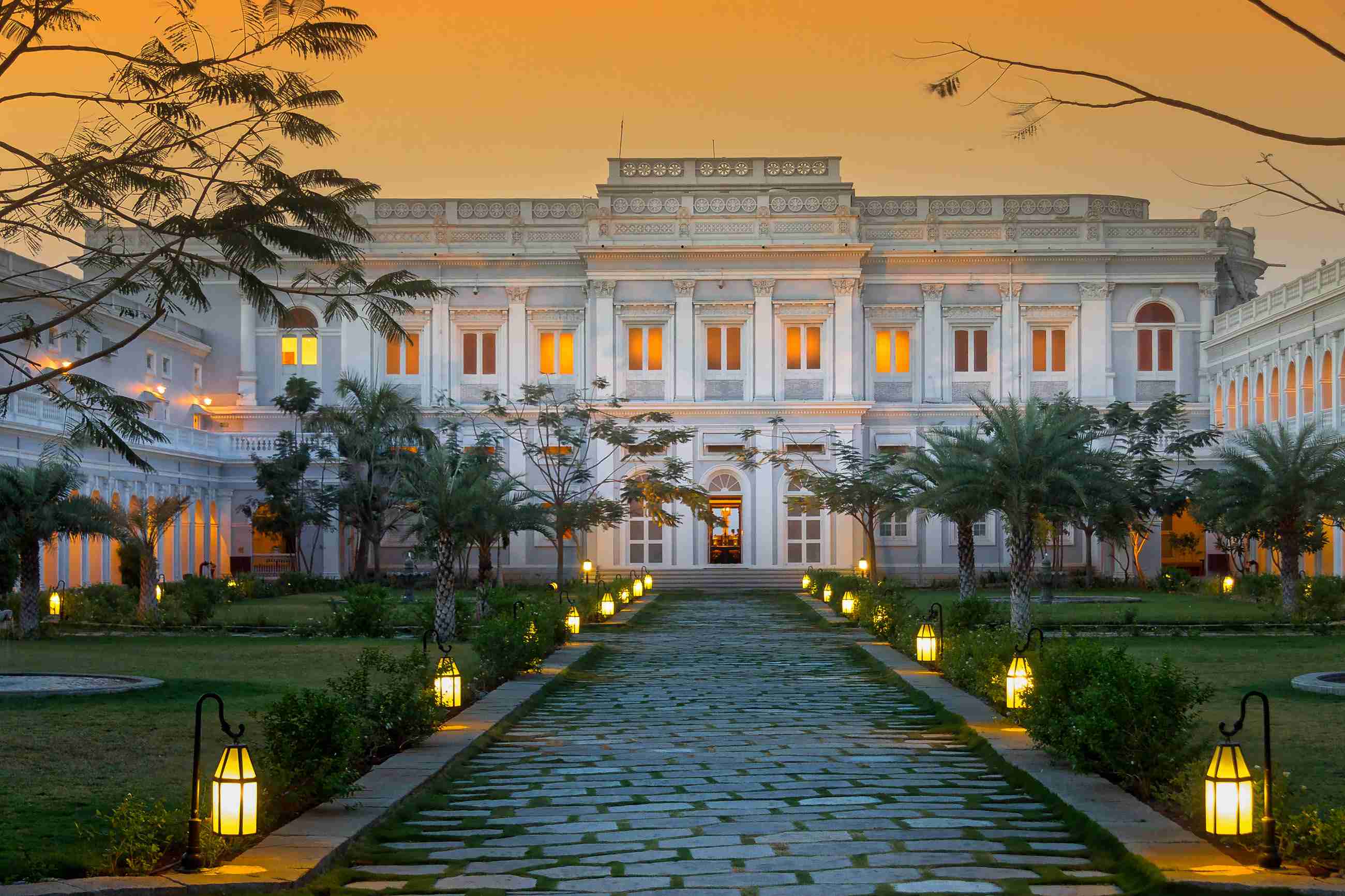
Deccan & Malabar Heritage: A 15-Day Aurangabad, Hyderabad & Kerala Odyssey
15 Days / 14 Nights
Explore the destination guide: Mumbai, West India ↗