India is one of the most rewarding countries on earth to photograph, because it offers everything a photographer wants at once — extraordinary light, saturated colour, living ritual, sweeping architecture and faces of great character — often within a single morning. The question is rarely what to shoot but where to be, and when, so that the country gives you its best rather than its most chaotic.
The finest photographs of India are almost never taken in the middle of the day. They are earned at the edges — the blue hour before dawn, the golden hour before dusk, the moment a festival crowd turns — and knowing this, and being positioned for it, is the whole difference between snapshots and images.
In India the question is rarely what to photograph, but where to be, and when — the difference between a snapshot and an image is almost always an hour of the day.
The great photographic subjects
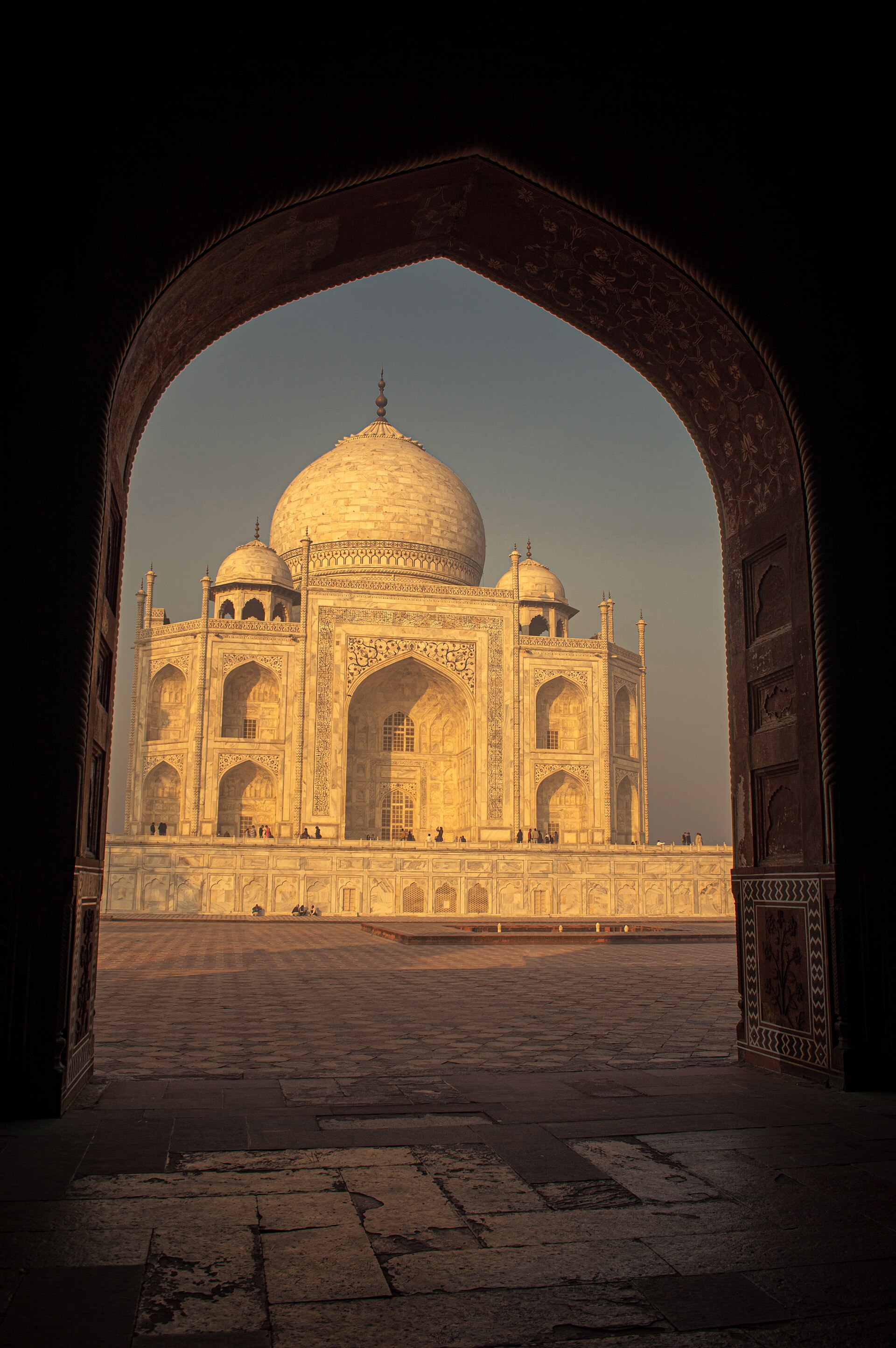
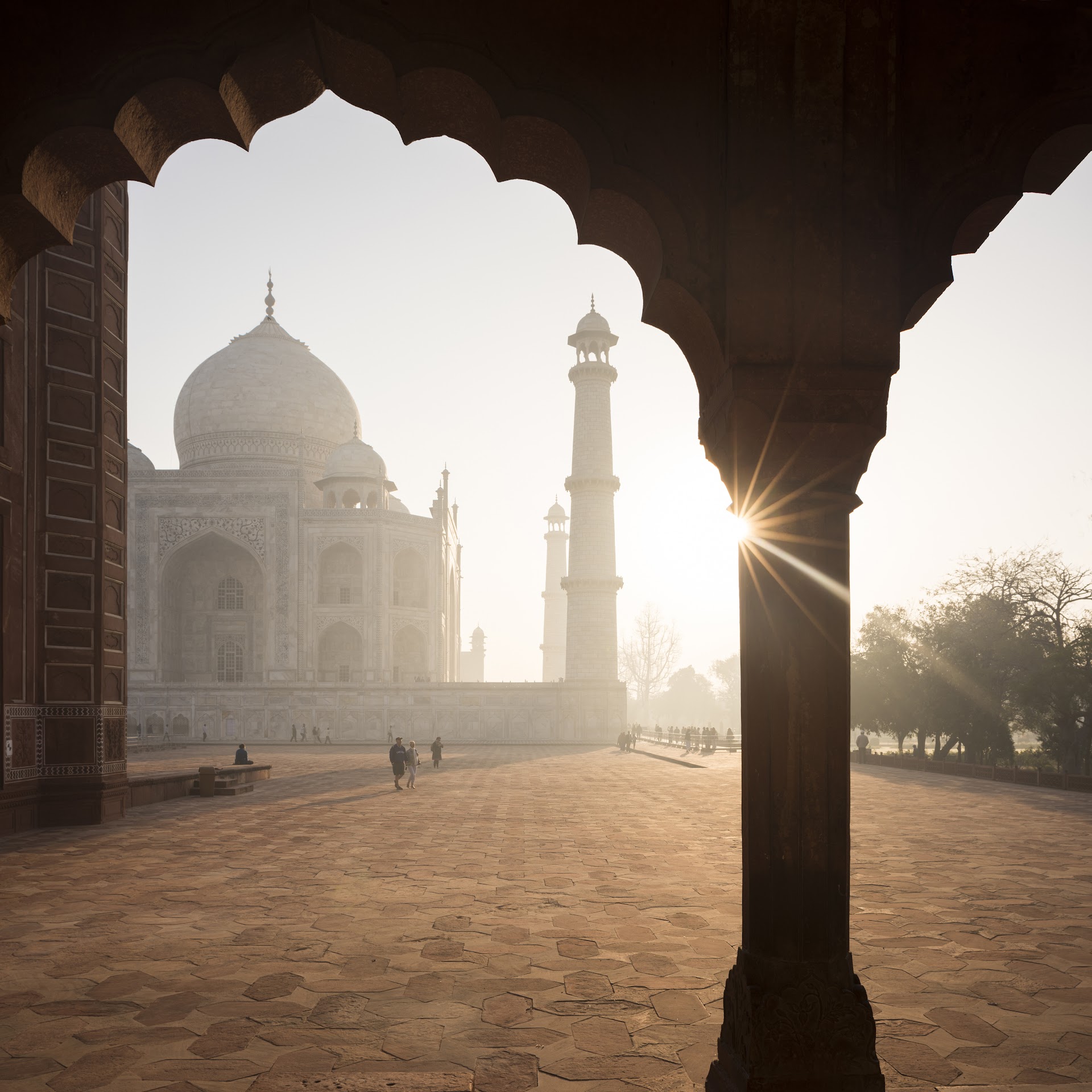
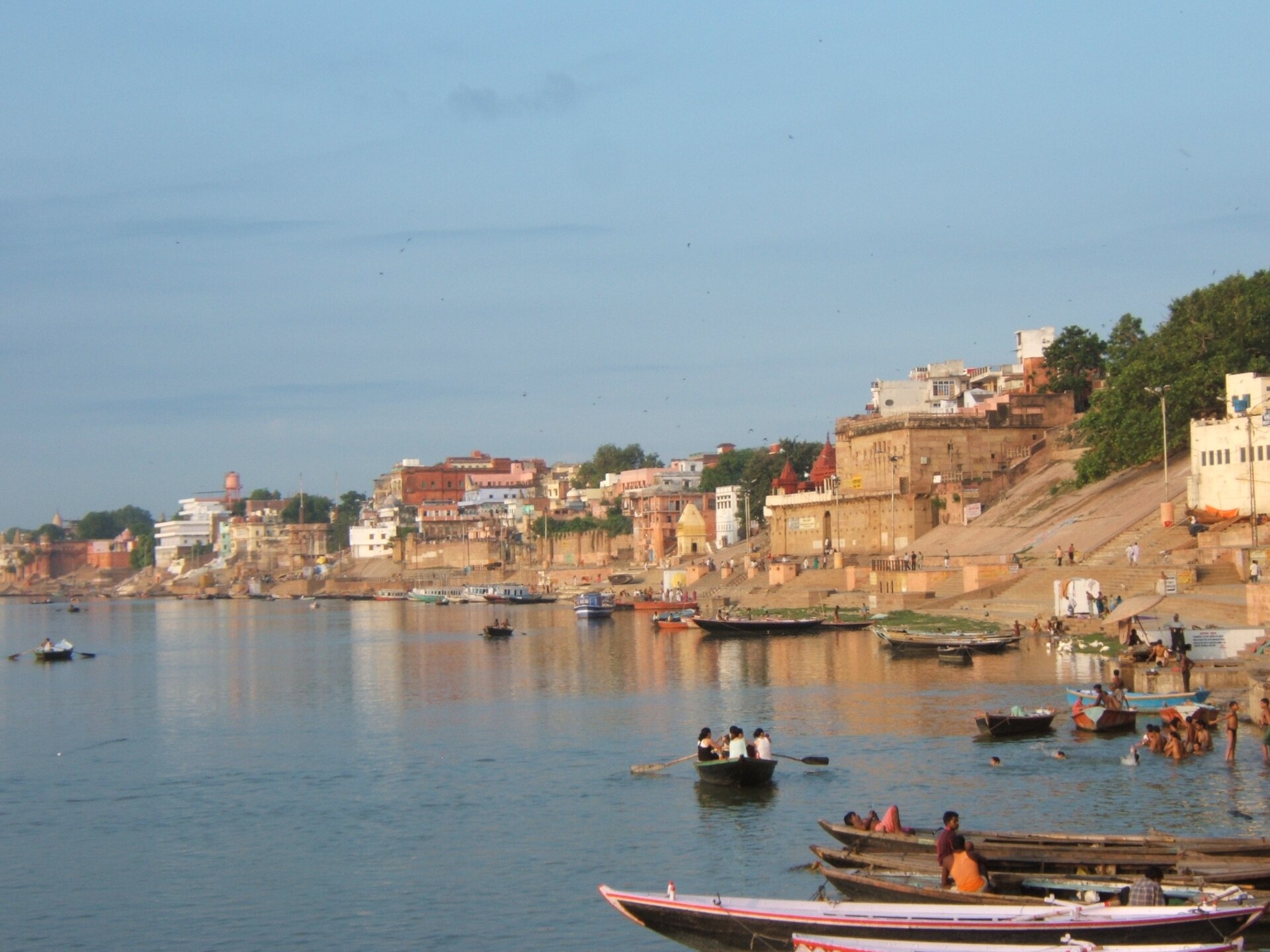
Some subjects are iconic for good reason. The Taj Mahal at dawn, its marble shifting from grey to blush to white as the sun lifts over the river, is one of the great photographic experiences in travel — best captured in the quiet first hour after the gates open. Varanasi's ghatsGhatA flight of steps leading down to a river or tank, used for bathing, worship and cremation.Read in the glossary from a boat at first light, as the city performs its river rituals to the rising sun, offer perhaps the richest single scene in India for a photographer willing to rise early and shoot with sensitivity.
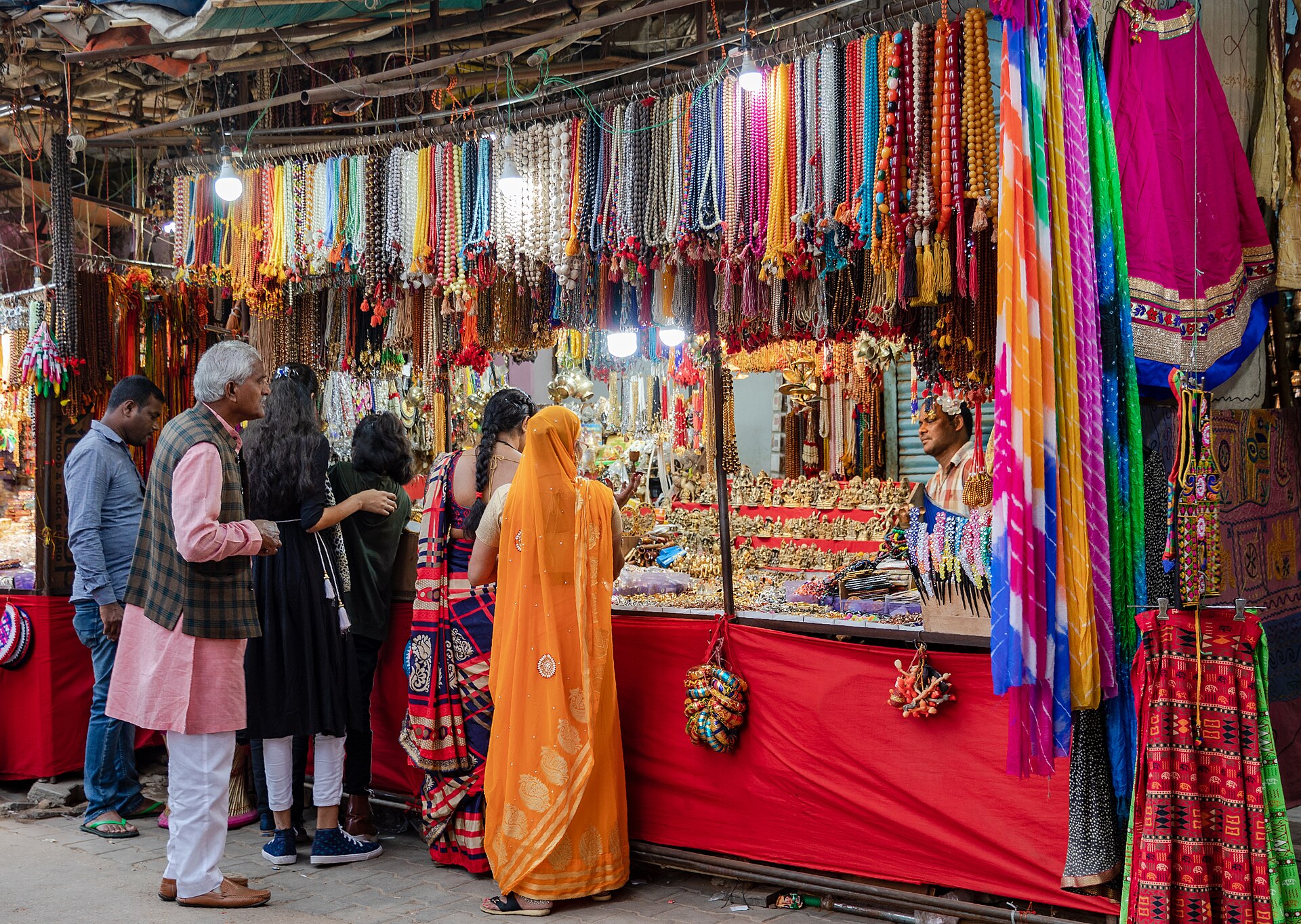
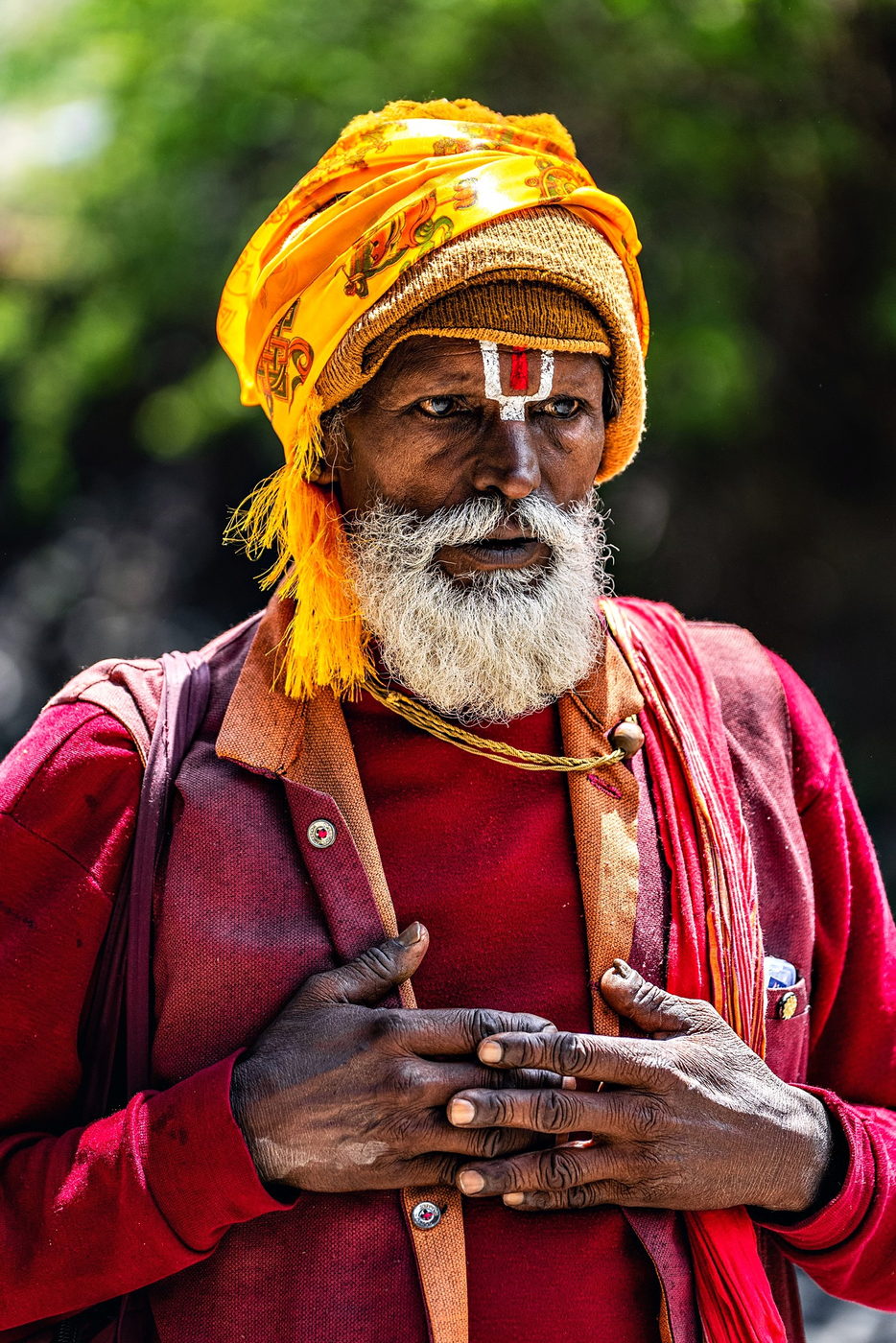
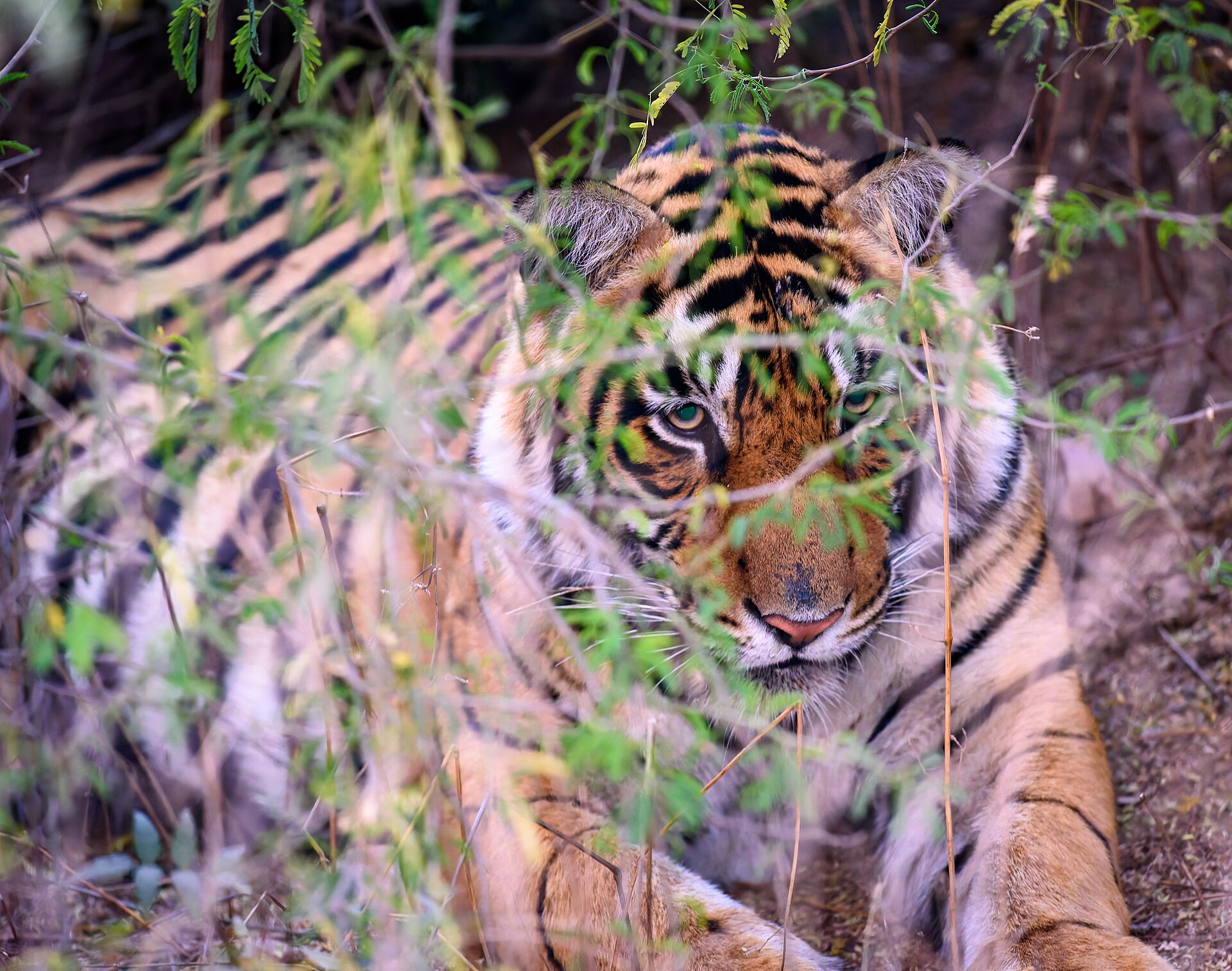
Rajasthan is a study in colour and geometry: the pink of Jaipur, the blue of Jodhpur, the honey stone of Jaisalmer, the mirror-work interiors of the palaces, and the extraordinary faces of the desert — turbaned men, women in vivid sarisSariAn unstitched length of cloth, several metres long, draped to form a garment — the principal traditional dress of Indian women.Read in the glossary against sand. Central India delivers the hardest and most thrilling wildlife image of all, the tiger in dappled forest light. And the Himalaya — Ladakh, Sikkim, the high passes — offers scale, clarity and the ochre-and-crimson of monastery life at prayer.
Then there are the festivals and fairs, India at its most photogenic and most demanding: the camel fair at Pushkar, the colour of Holi, the lamplight of Diwali, the great temple processions of the south. These reward preparation and access above all — being in the right position, with permission, at the decisive moment.
Light, timing and season
The discipline of photographing India is really the discipline of timing. Plan the day around the light: be at the monument or the ghat for dawn, rest through the harsh midday, and return to the streets and rooftops for the golden hour. Interiors — palace halls, temple sanctums — often demand a steady hand or a permitted tripod, and the willingness to wait for a shaft of window light to fall where you want it.
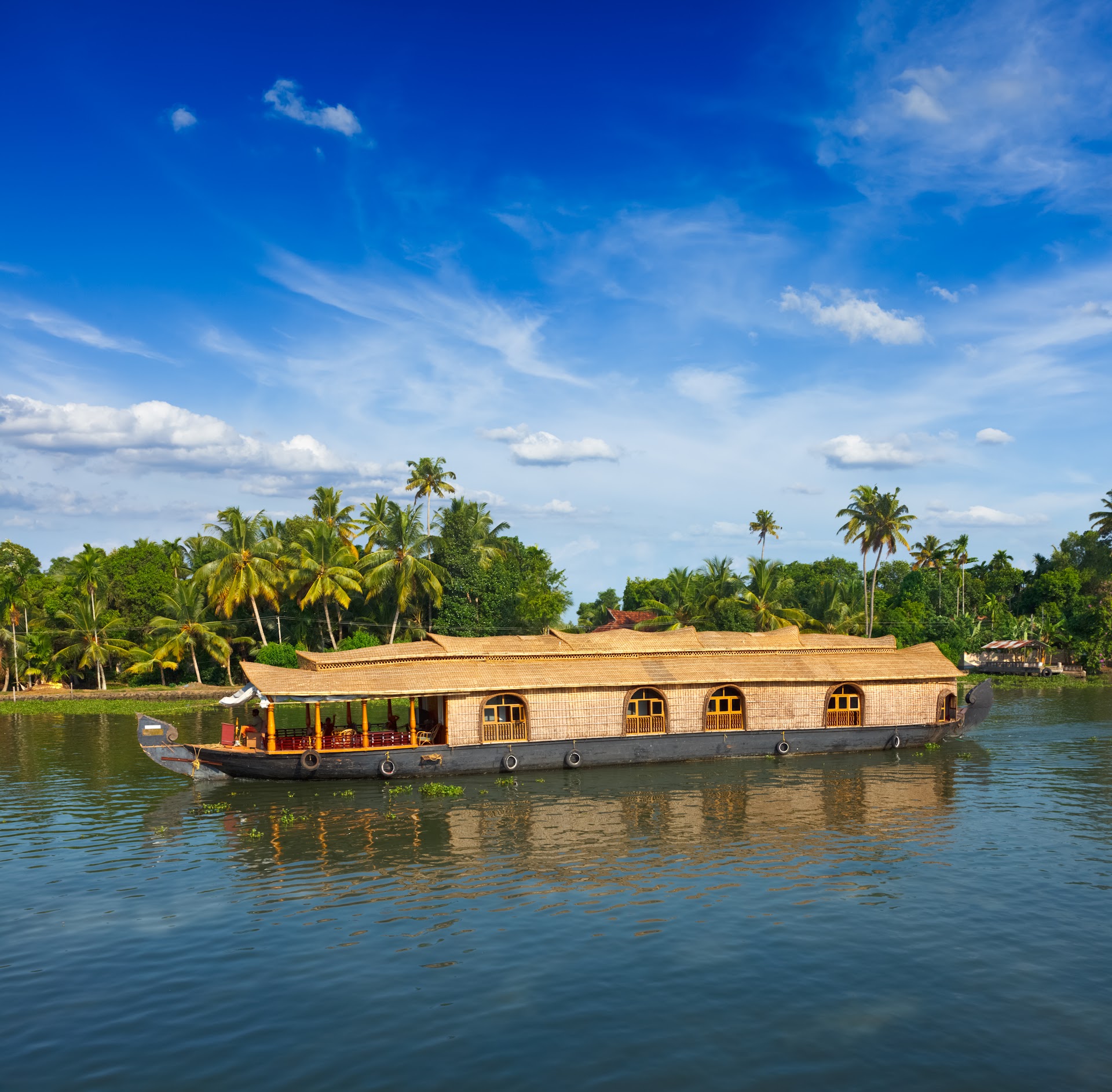
Season matters as much as hour. The clear, golden months of October to March flatter almost everything, and the winter fog of the northern plains lends the Taj and Agra a soft, painterly quality. The pre-monsoon heat concentrates wildlife at the waterholes for the surest tiger images, and the monsoon itself, for the patient, brings dramatic skies, reflections and a saturated green that the dry season never shows.
Kit follows the same logic of restraint. India rewards a fast lens for low-light interiors and dawn river scenes, a long lens for wildlife and for candid street portraits taken at a respectful distance, and a light, discreet setup for the markets and lanes, where a wall of equipment closes faces rather than opening them. The best travelling photographers here carry less than they think they need and spend the saved attention on the moment in front of them.
Travelling as a photographer
Photography changes how a journey must be paced. It wants dawn starts and unhurried dusks, permission to linger where a tour would move on, and the discretion to photograph people with respect rather than intrusion — asking, waiting, and knowing where the camera is not welcome, which at the cremation ghats and in certain temples it is not.
Elevated India composes journeys around the light and the moment — private access and timing at the great monuments, dawn on the river and in the reserves, introductions that open doors and faces a stranger with a lens could never reach, and, where you wish, a specialist photographer-guide alongside you. The reward is not merely to see India, but to come home with images that hold what it felt like to be there.
Questions, Answered
What are the best places to photograph in India?
The Taj Mahal at dawn, Varanasi's ghats from a boat at first light, the colour and faces of Rajasthan, tigers in the forests of Central India, the Himalayan monasteries of Ladakh and Sikkim, and the great festivals such as Pushkar, Holi and Diwali. Each rewards being in position for the right light.
When is the best time to photograph India?
Shoot at the edges of the day — the blue hour before dawn and the golden hour before dusk — and rest through harsh midday light. The clear months of October to March flatter most subjects, winter fog softens the northern plains, and pre-monsoon heat gives the surest wildlife sightings.
Journeys That Take You There
Read Next