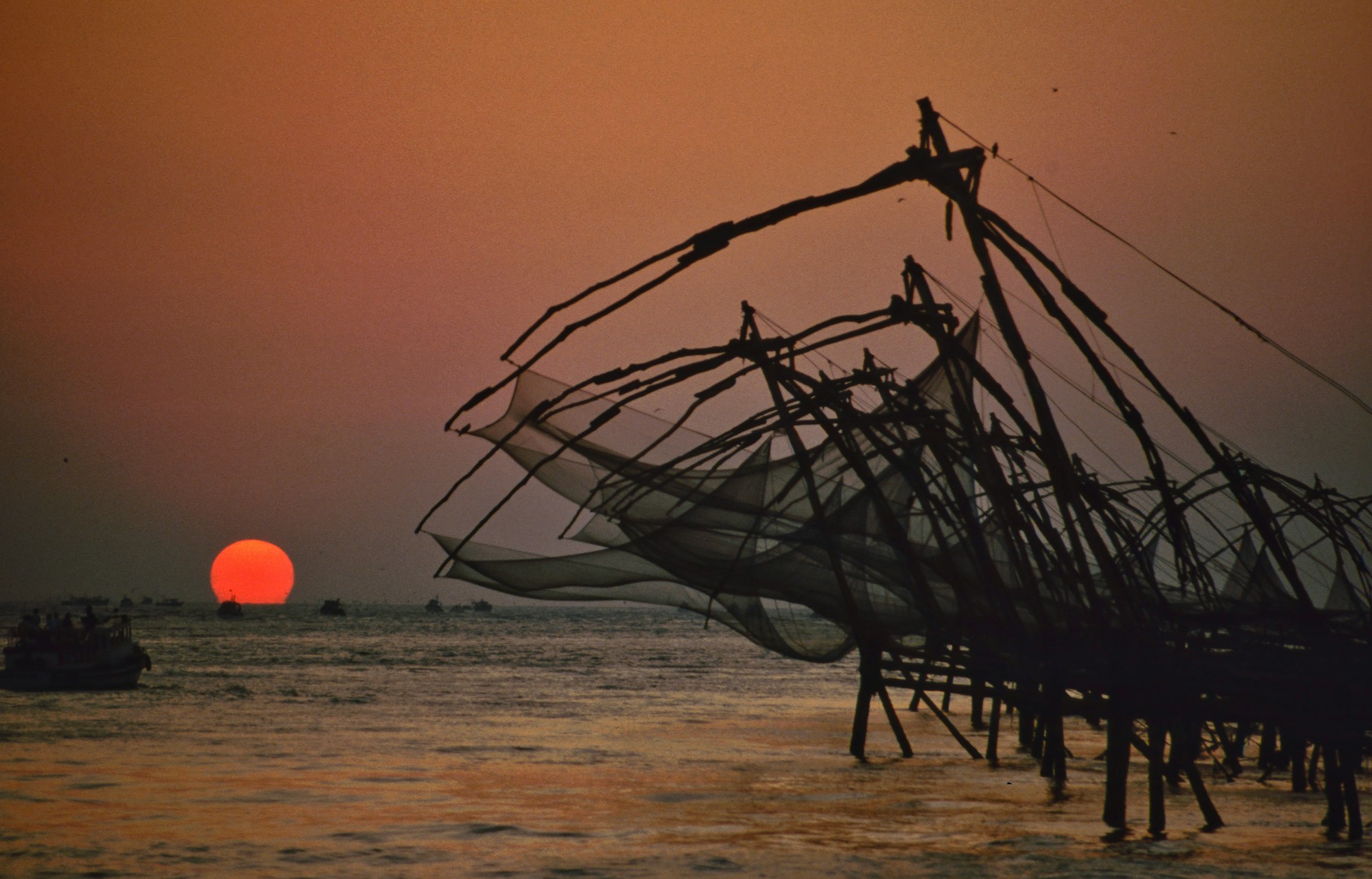
The cheena vala — shore-operated cantilevered fishing nets — are believed to have arrived with traders from the court of Kublai Khan in the fourteenth century, and Fort Kochi's harbour mouth is one of the last places on earth they still work. Each rig needs a team of four to six men, counterweighted with stones, dipping and rising on a rhythm the tide dictates.
They are that rare heritage sight that never performs: the nets fish because fishing pays, and the silhouette at sunset — great wooden insects drinking from the harbour — has become the emblem of the entire Malabar coast.
Visiting Well
- Sunrise brings the nets in action with the day's first catch; sunset brings the silhouette.
- The fishermen welcome visitors onto the platforms to haul a net — a small tip is fair custom.
- Buy from the 'you buy, we cook' fish stalls behind the nets with local guidance on the right stall.
How Elevated India Arranges It
We put guests on a platform at first light to work a haul with the crew, then breakfast at Brunton Boatyard fifty metres away — the harbour's whole story before eight a.m.
Questions, Answered
Why are they called Chinese fishing nets?
Tradition holds the shore-operated lever nets (cheena vala in Malayalam) were introduced by Chinese traders around the 14th century, possibly from Kublai Khan's court. The design survives today mainly on the Kochi and north Kerala coast.
When is the best time to see the Chinese fishing nets in Kochi?
Sunrise for the working hauls, sunset for the classic silhouette — both from the Fort Kochi promenade. The nets operate on the tide, so early morning gives the most action.
Journeys That Take You There
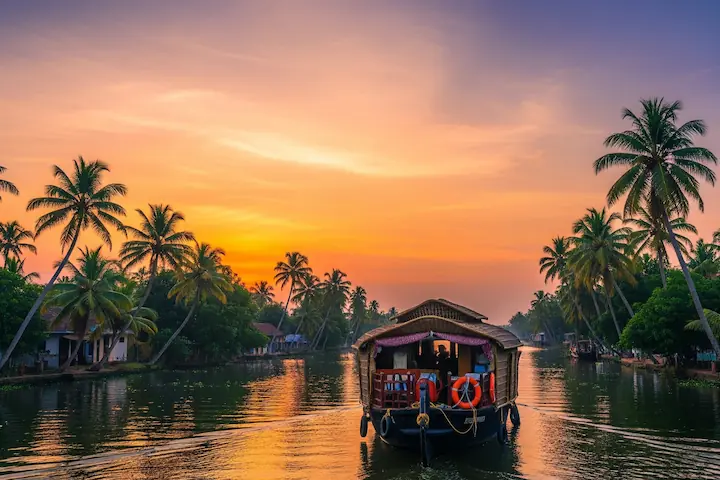
Malabar Passage: Mumbai to Kerala Backwaters
11 Days / 10 Nights
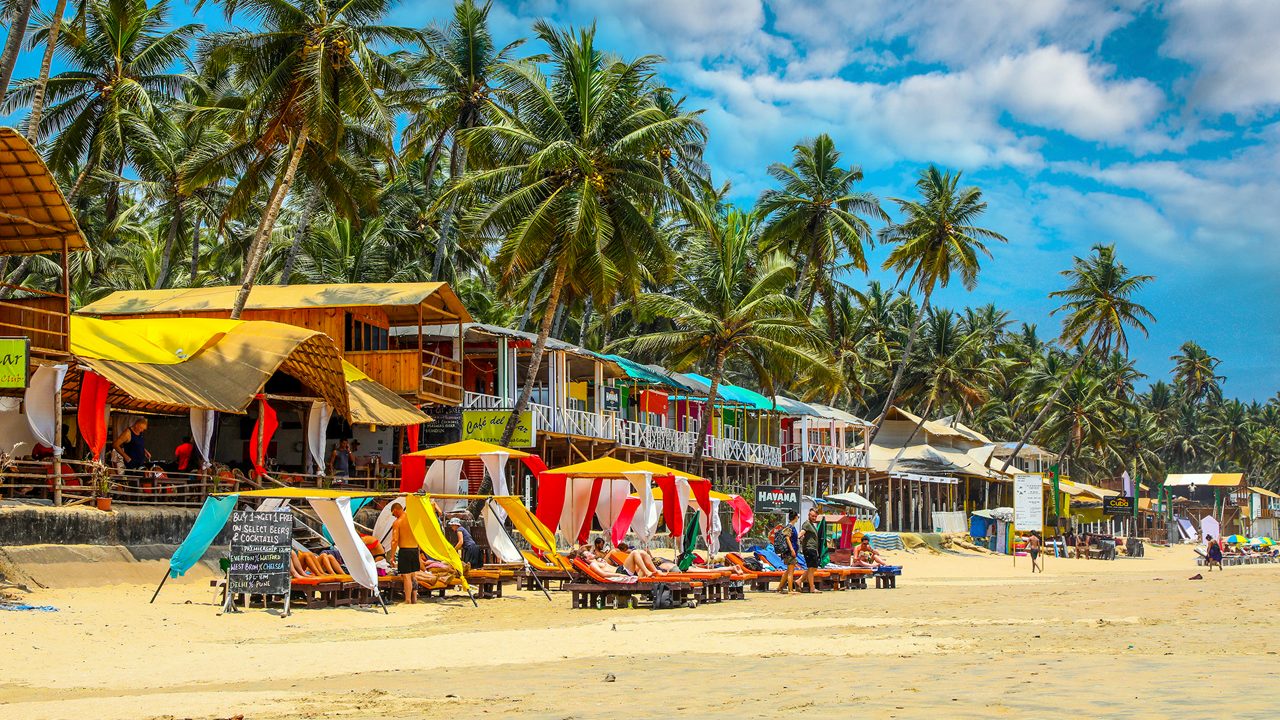
Suns, Spices & Sacred Waters: Goa & Kerala
10 Days / 9 Nights
Explore the destination guide: Kochi, Kerala ↗