Regions & Destinations6 min readPublished 2 May 2026
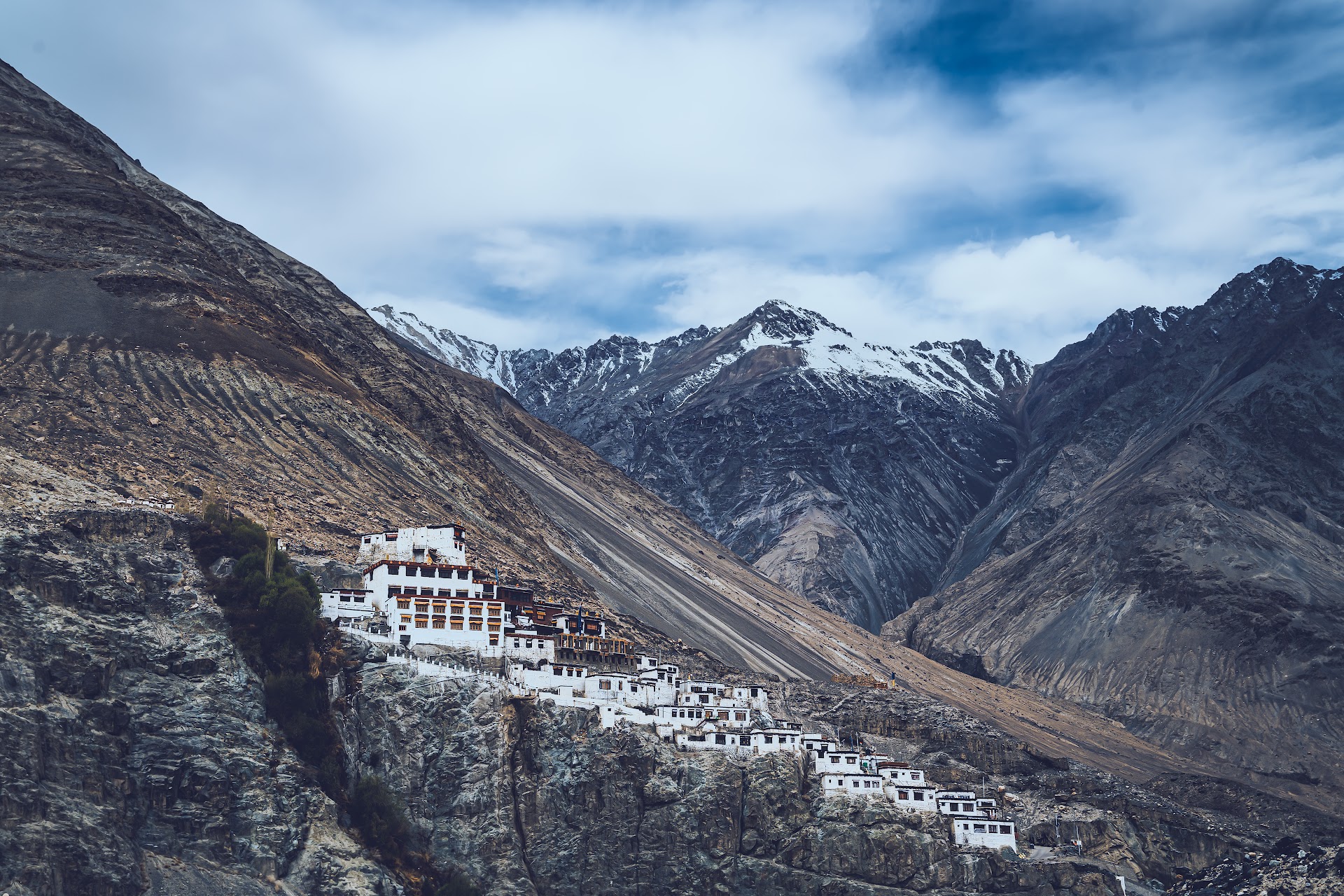
Ladakh's photographs lie by omission. They capture the turquoise of Pangong Lake and the whitewashed geometry of Thiksey monastery, but not the thing that actually rearranges visitors: the silence. At three and a half thousand metres, in a high-altitude desert where the air holds no moisture and carries no sound, silence stops being an absence and becomes a presence. Travellers spend the first day acclimatising and the rest of their lives failing to describe it.
The mistake is treating Ladakh as a photo circuit — Leh, Pangong, Nubra, out. Driven at that pace, the land stays scenery. Given time, it becomes the teacher the monasteries always said it was.
Monasteries at the right hour
Every itinerary visits Thiksey; almost none arrives at five thirty for morning prayers, when the dukhang fills with butter-lamp light and the low frequency of massed chanting does something measurable to the human nervous system. The difference between visiting a monastery and attending one is the difference between Ladakh and its postcard.
Hemis, Lamayuru, Alchi with its eleventh-century murals — each rewards the traveller who sits longer than the tour allows. We arrange time with monks who speak English and are willing to talk about what the practice actually is, which no wall text can do.
Altitude, honestly
Ladakh demands respect for physiology. The first thirty-six hours in Leh are for nothing but rest and hydration — itineraries that drive to Pangong on day two are gambling with their guests. Done properly, the body adjusts and the altitude becomes part of the experience: sleep deepens, light sharpens, and the stars at Nubra look artificial in their density.
Go June to September, sleep in the valley villages as well as the boutique hotels, and leave at least one day entirely unplanned. What the mountains teach cannot be scheduled — but it reliably arrives when given room.
Questions, Answered
What is the best time to visit Ladakh?
June to September, when the high passes are open and daytime temperatures are pleasant. Ladakh is one of India's finest summer destinations — its season is the inverse of Rajasthan and the plains.
How many days do you need in Ladakh?
A minimum of six to seven days: the first thirty-six hours must be kept gentle for altitude acclimatisation in Leh (3,500 m), before venturing to Pangong Lake, Nubra Valley or the monasteries.
Journeys That Take You There