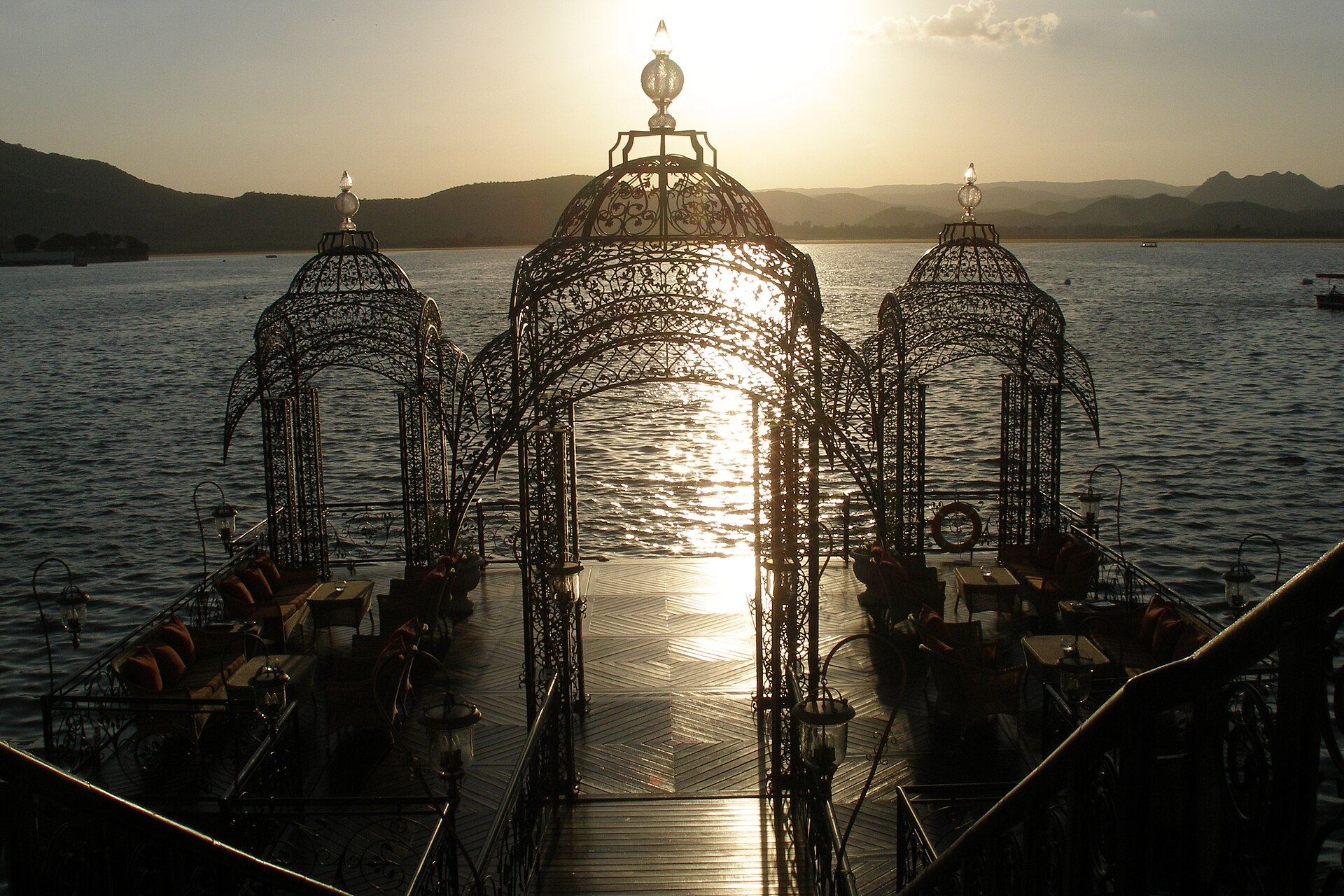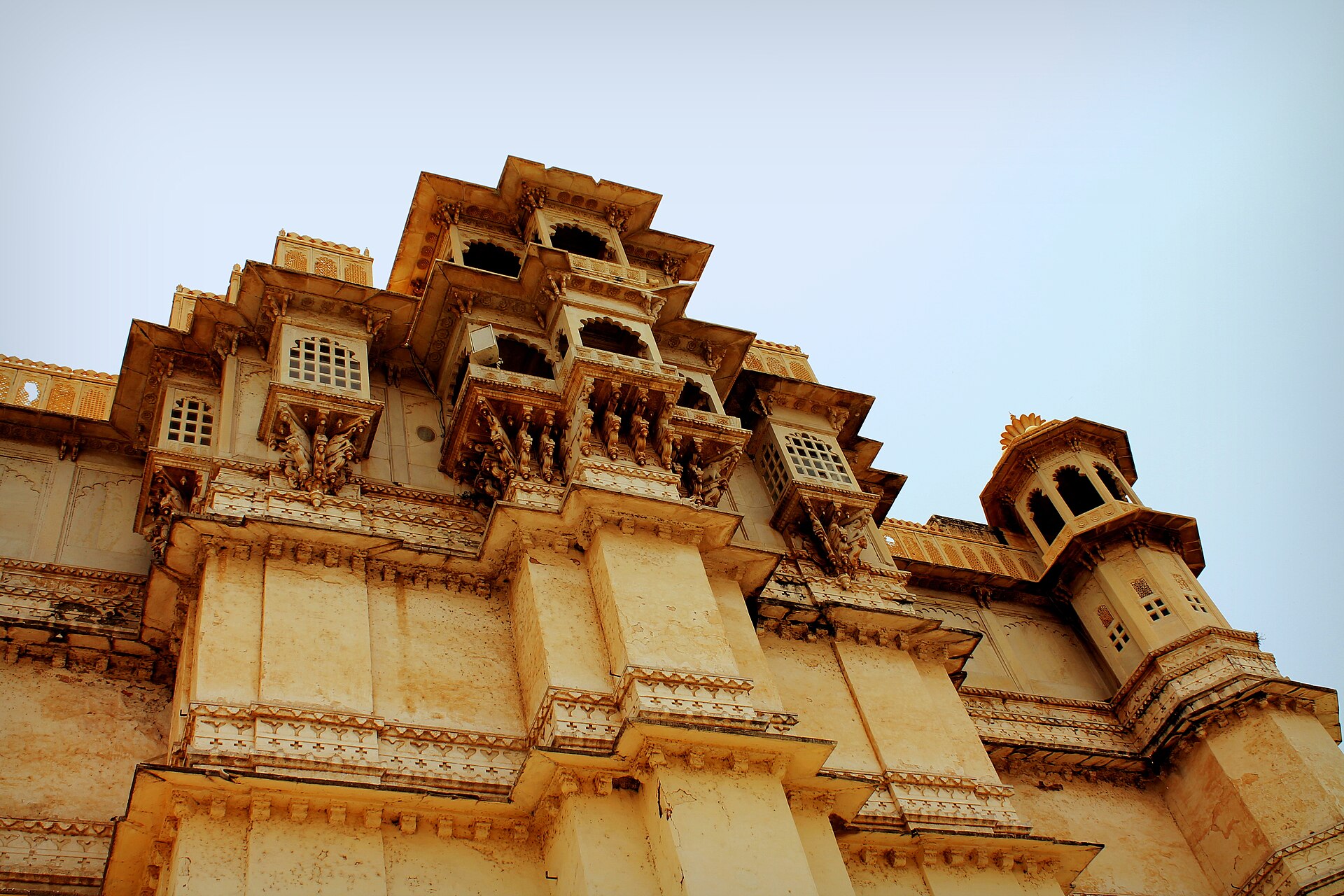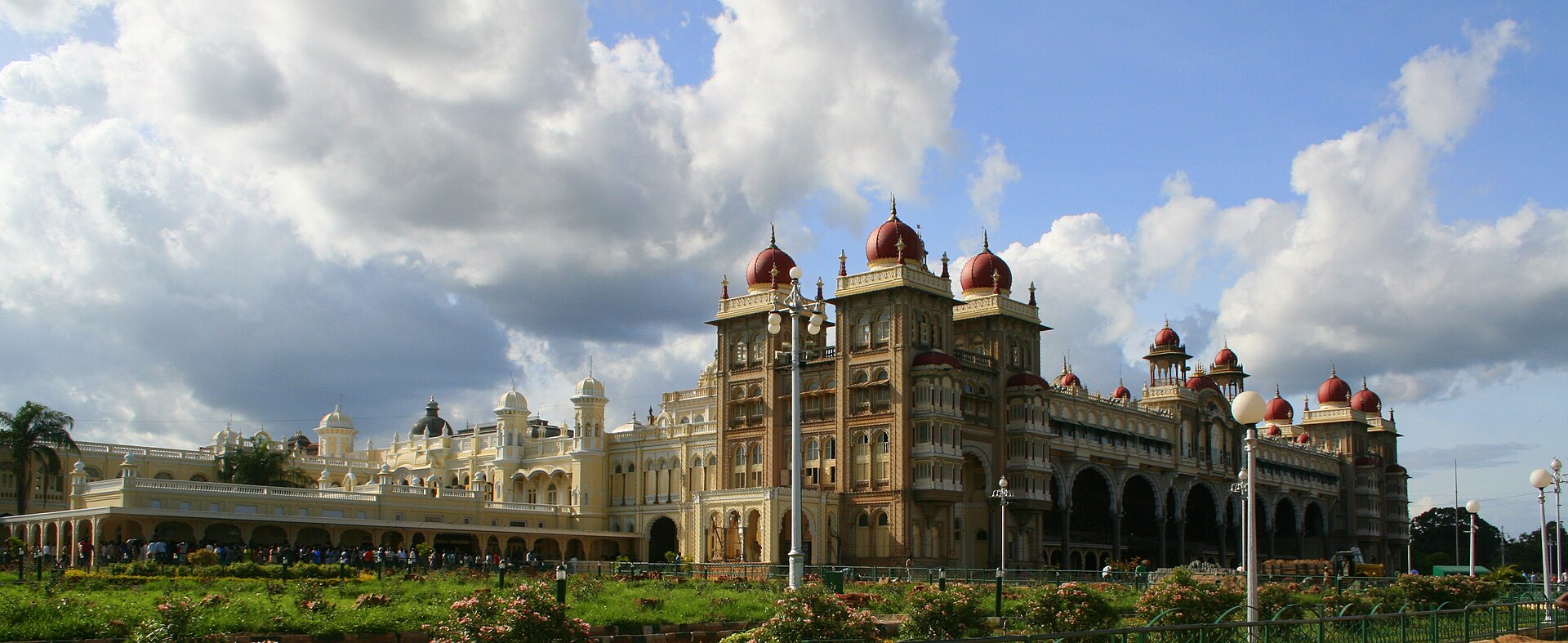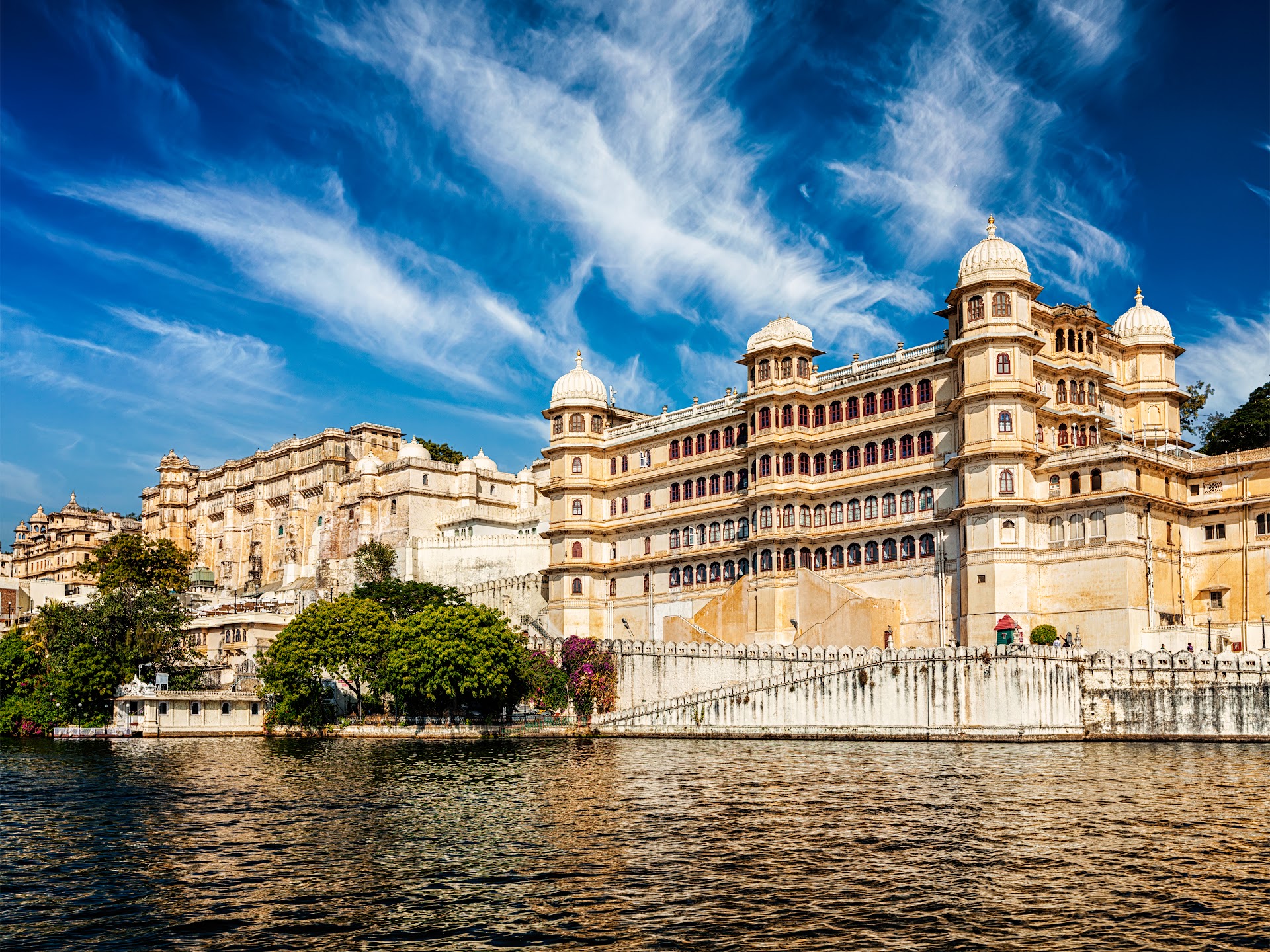
A destination wedding in India is a multi-day celebration staged in some of the most romantic settings on earth — a lake palace in Udaipur, a desert fort under the stars, a Goan beach at golden hour — woven together with ceremony, colour and hospitality that no other country quite matches. It is also a considerable undertaking, and the difference between a wedding that feels effortless and one that frays at the edges lies almost entirely in the planning behind it.
Couples come to India for a wedding for two reasons: because they have a connection to the country and its traditions, or because they simply want the grandest, most cinematic backdrop imaginable for the most important day of their lives. India serves both beautifully — but it rewards those who understand what they are taking on before they begin.
A wedding in India is not an event you attend so much as a story you are carried through — days of ritual, colour and feast, not a single afternoon.
Where do you hold a wedding in India?
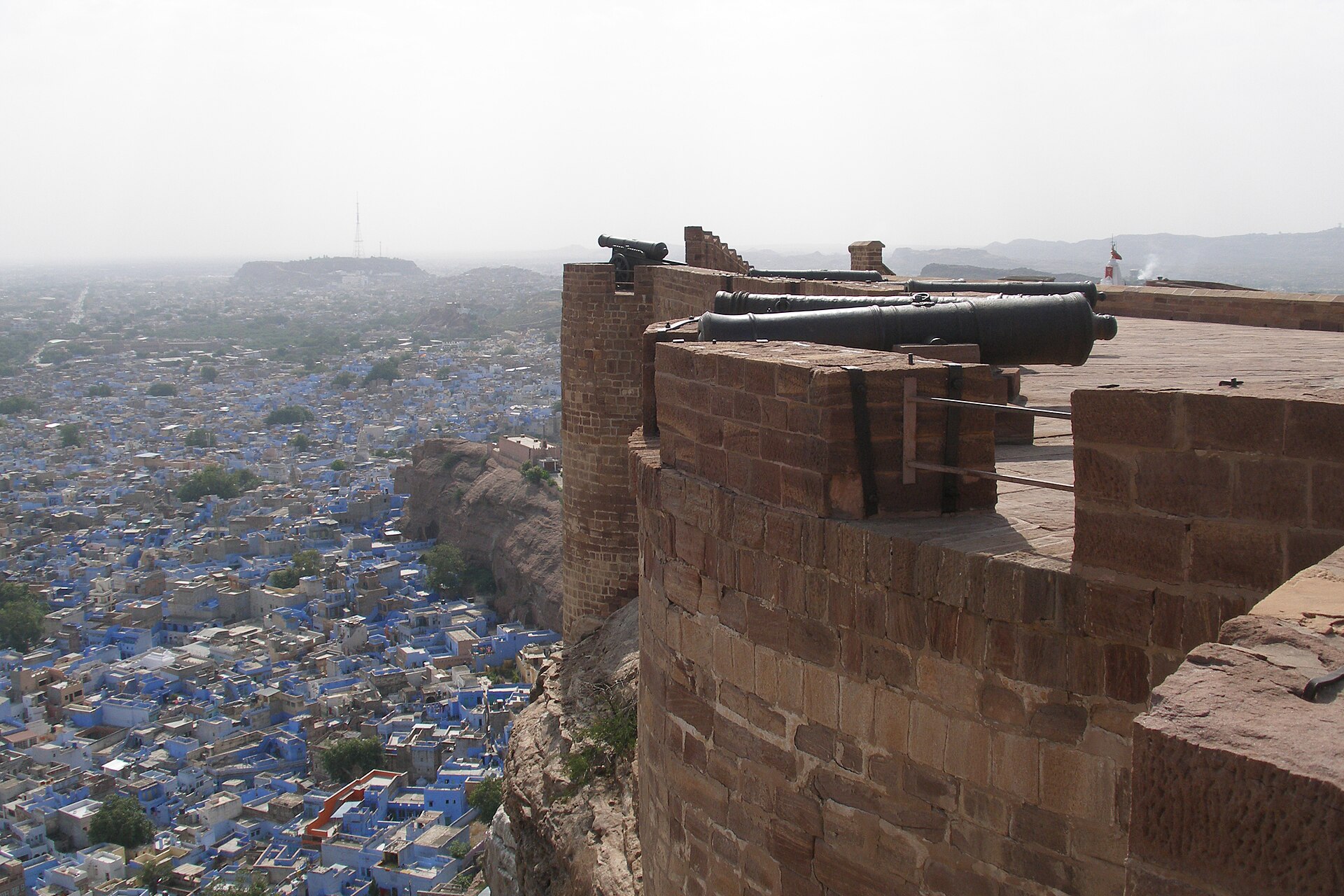
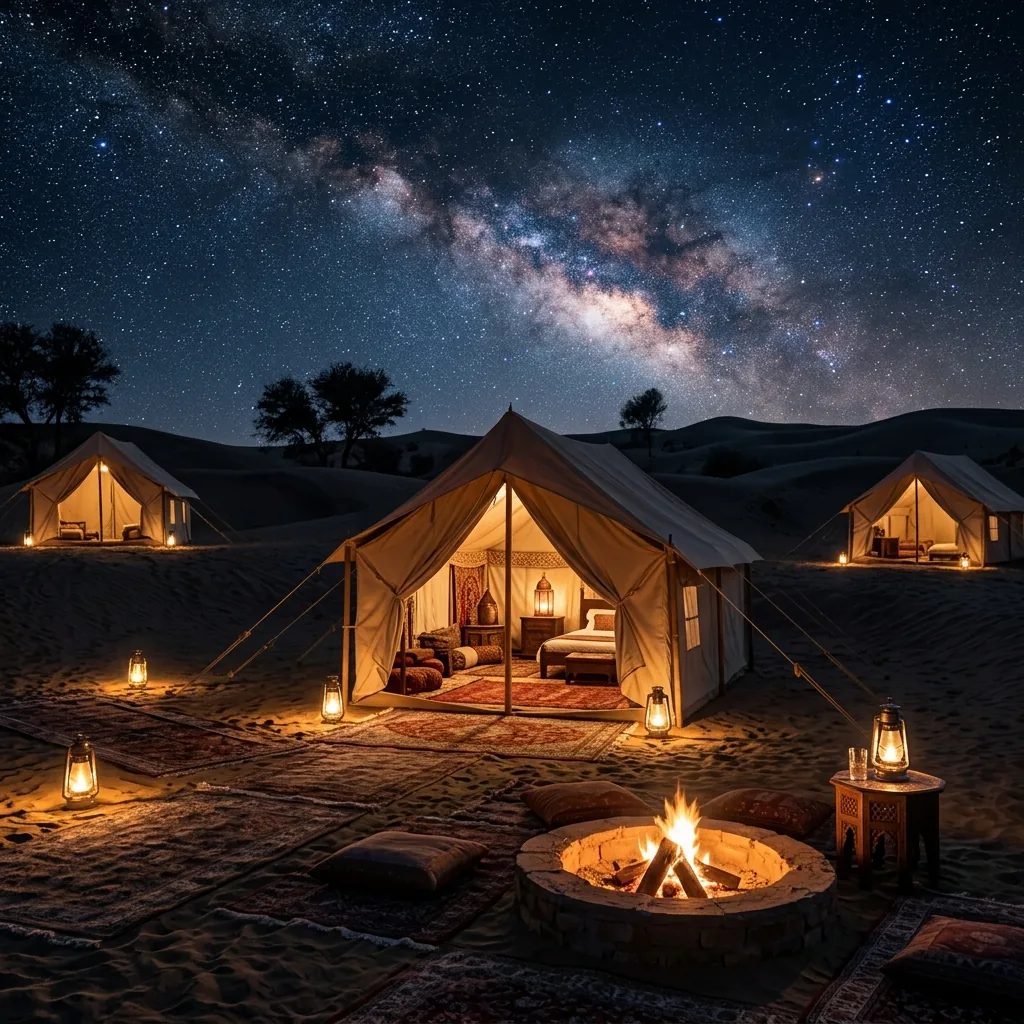
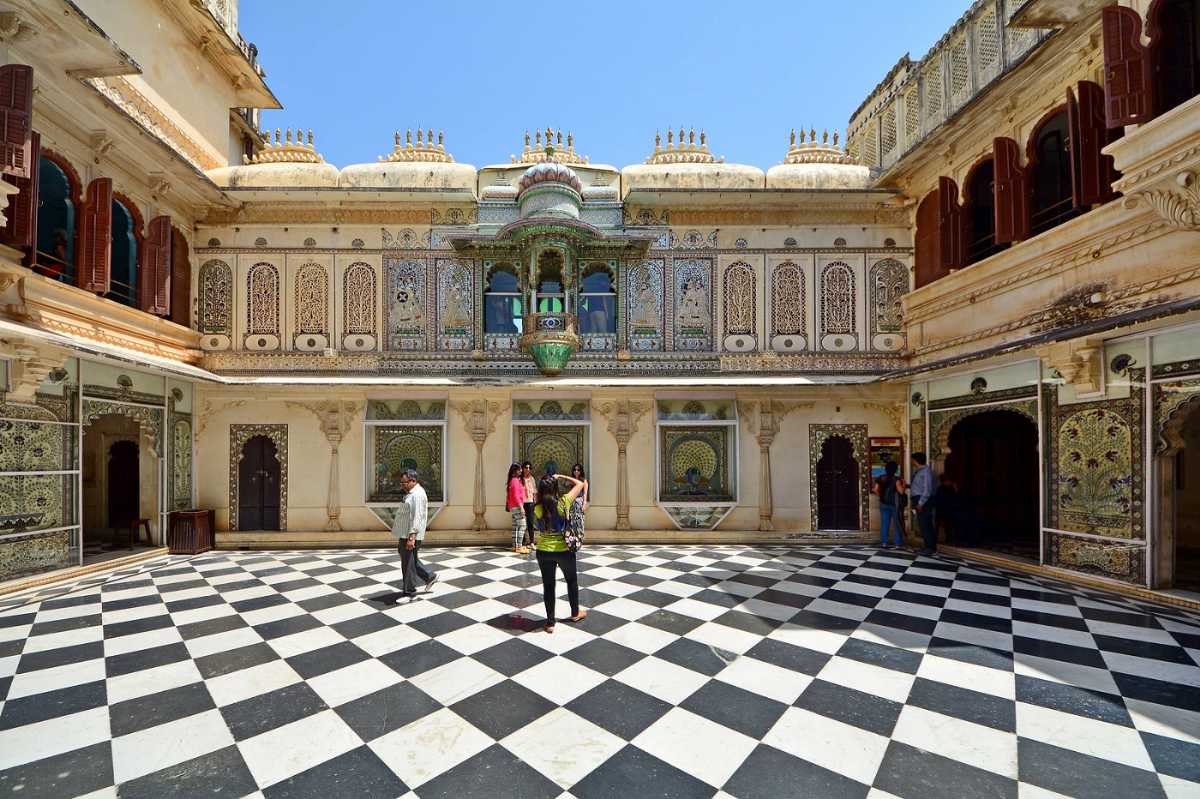
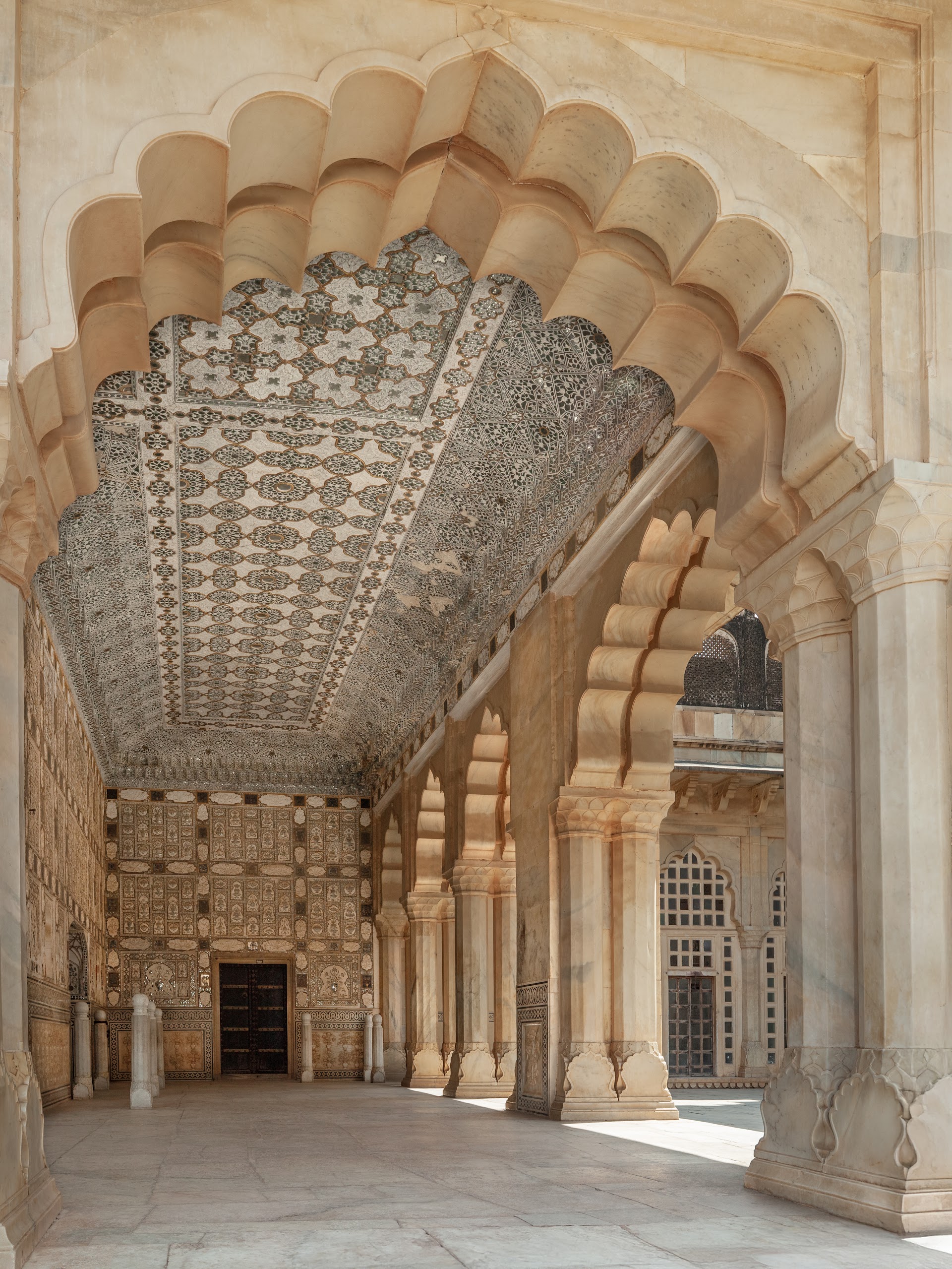
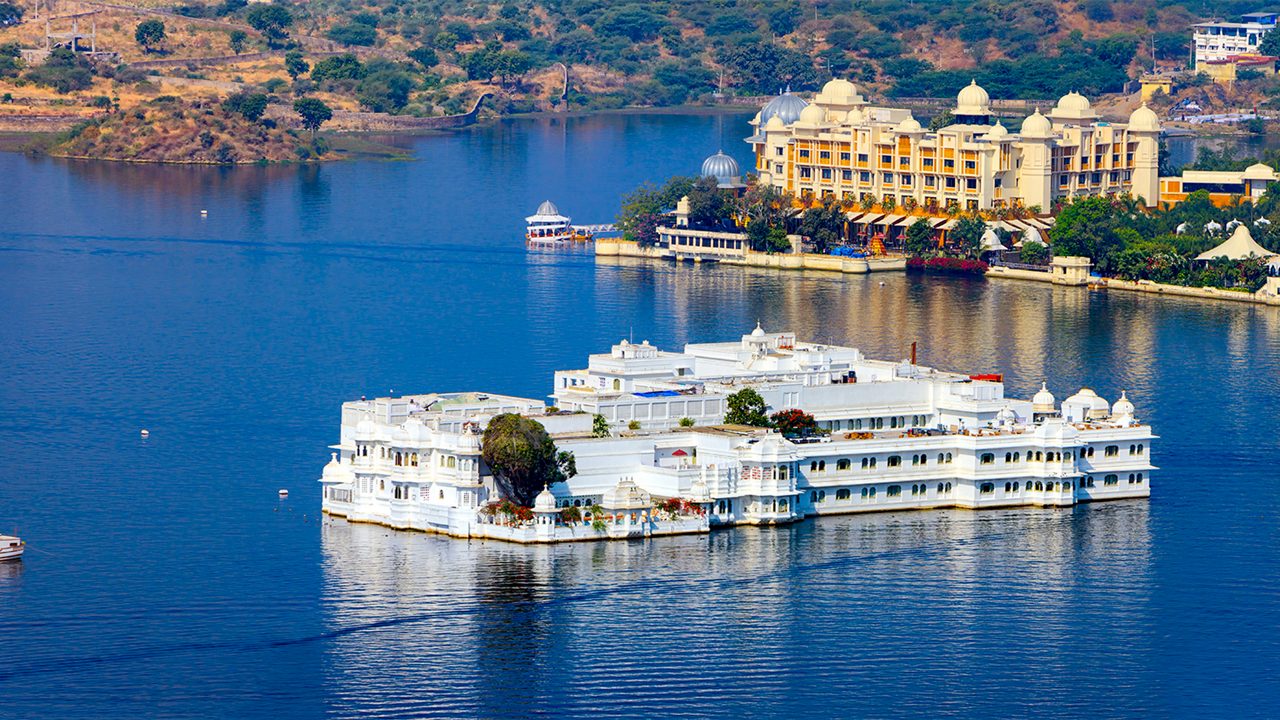
Rajasthan is the natural first thought, and deservedly so. Udaipur, the city of lakes, is India's most sought-after wedding destination — its marble palaces and mirrored courtyards make a setting of almost impossible romance. Jodhpur offers the drama of Mehrangarh Fort above the blue city; Jaipur brings the pink-city grandeur of former royal residences; and the desert around Jaisalmer allows a celebration staged entirely under canvas and open sky.
Beyond the palaces, the choices broaden. Goa suits couples who want sand, sea and a lighter register, with sunset ceremonies on the Arabian Sea. Kerala offers the still green calm of the backwaters. And for those wanting the intimacy of a private estate rather than a grand hotel, a handful of family-owned havelisHaveliA traditional townhouse or mansion built around one or more internal courtyards.Read in the glossary and heritage properties open their doors for a single celebration at a time.
The venue sets the entire tone, and it is the first decision to make — because the finest palaces and estates are booked far in advance, and the season is short.
How long is an Indian wedding, and what happens?
An Indian wedding is rarely a single afternoon. Traditionally it unfolds over three to four days, each with its own character, and even weddings that draw on other cultures often adopt this rhythm because it suits a destination so well — guests arrive, settle, and are carried through a sequence of events rather than gathered for one.
The celebration typically opens with a mehndi, an unhurried daytime gathering where intricate henna is applied to the bride and her guests. The sangeetSangeetThe music-and-dance evening held before an Indian wedding, at which both families perform for one another.Read in the glossary follows — an evening of music, dance and performance that has become the great social heart of the modern Indian wedding. On the wedding day itself comes the baraatBaraatThe groom's wedding procession, in which he travels to the venue accompanied by dancing family and friends, often on horseback.Read in the glossary, the groom's exuberant procession, often on a horse and always with a band, and then the ceremony proper: the pherasPherasThe circuits of a sacred fire taken by the couple, which constitute the binding moment of a Hindu wedding.Read in the glossary, the circling of the sacred fire that binds the couple. Each religion and region brings its own variations, but the arc of build, ritual and feast is constant.
For international guests, this multi-day structure is part of the magic. It turns a wedding into a shared journey, with time between events for the couple's friends and family to experience India itself — a fort at dawn, an artisan's workshop, a boat on the lake.
Lead times, legalities and how it comes together
The single most important thing to understand is timing. The prime wedding season runs from roughly October to March, when the weather is at its finest, and the most coveted palaces are reserved a year or more ahead. A serious enquiry should begin twelve to eighteen months before the date; the earlier the conversation starts, the more of the truly rare venues remain open.
The legal side deserves clear guidance. Many international couples complete the formal, legally binding marriage in their home country and hold the Indian wedding as the celebratory ceremony — which removes a layer of bureaucracy and is entirely common. Where a legal marriage in India is preferred, the requirements are more involved and residency-dependent, and this is precisely the sort of detail that should be settled early with expert help.
Everything else is orchestration: the venue and room blocks for guests, the décor and florals, the caterers and the many performers, the guest logistics from airport to palace, and a wedding planner who understands both Indian tradition and international expectations. Elevated India composes destination weddings end to end — securing the palace, assembling the trusted specialists, and looking after every guest as carefully as the couple — so that a family can be present at their own celebration rather than managing it. The result is not merely a wedding in a beautiful place, but a few days that everyone who attends remembers for the rest of their lives.
Questions, Answered
Where is the best place to have a destination wedding in India?
Udaipur, with its lake palaces, is India's most sought-after wedding destination, followed by Jodhpur, Jaipur and the Jaisalmer desert in Rajasthan. Goa suits beach ceremonies and Kerala offers the calm of the backwaters. Elevated India secures palace and estate venues and composes the celebration around them.
How far in advance should you plan a wedding in India?
Ideally twelve to eighteen months ahead. The prime season is October to March, and the finest palaces and estates are booked a year or more in advance. Beginning early keeps the rarest venues open and allows time to arrange guest logistics, décor, caterers and the legal formalities.
Journeys That Take You There
Read Next