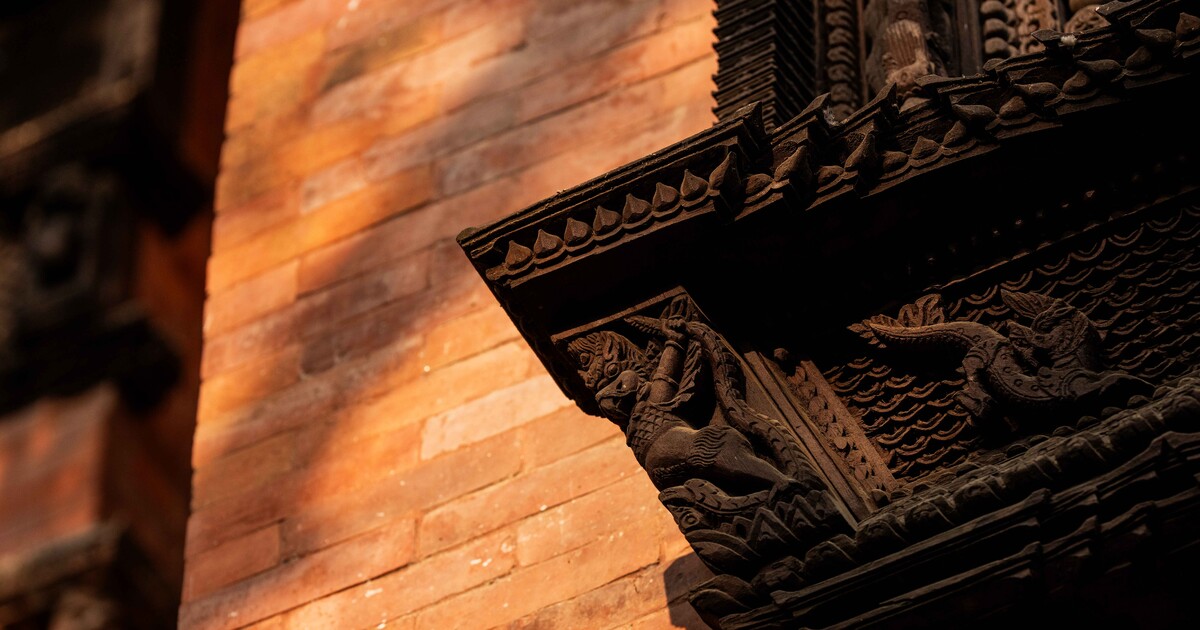
Dwarika Das Shrestha began rescuing carved windows and doors from Kathmandu's demolition heaps in the 1950s; his collection became a hotel, and the hotel became the valley's conscience — brick courtyards, terracotta work and centuries-old woodcarving assembled into rooms that museums would envy.
Krishnarpan, its slow-dining restaurant, serves Nepali cuisine in six to twenty-two courses as ceremony; the pool is styled on the valley's ancient royal baths; and the whole compound functions as an argument that heritage pays its own way.
Why We Place Guests Here
- It is Kathmandu's essential address — the valley's craft heritage inhabited rather than displayed.
- Heritage Deluxe rooms carry the original carvings; the suites are small museums with beds.
- Krishnarpan's ceremonial dinner is the single best introduction to Nepali culture on the itinerary.
The Table
- Krishnarpan — ceremonial Nepali slow dining
- Toran — all-day valley and continental
- Fusion bar in the courtyard
The Elevated India Signature
A Krishnarpan dinner hosted at the traditional low tables, course count set by appetite and courage.
Questions, Answered
Why is The Dwarika's Hotel famous?
It was built over decades from genuine rescued Newari architectural carving — windows, doors and struts saved from demolition — making it both Kathmandu's finest hotel and an act of heritage preservation.
What is Krishnarpan at Dwarika's?
The hotel's ceremonial Nepali restaurant, serving traditional multi-course meals (from six to twenty-two courses) that move through the valley's cuisines — widely considered Nepal's definitive dining experience.
Journeys That Take You There
Photography: Photograph courtesy The Dwarika's Hotel