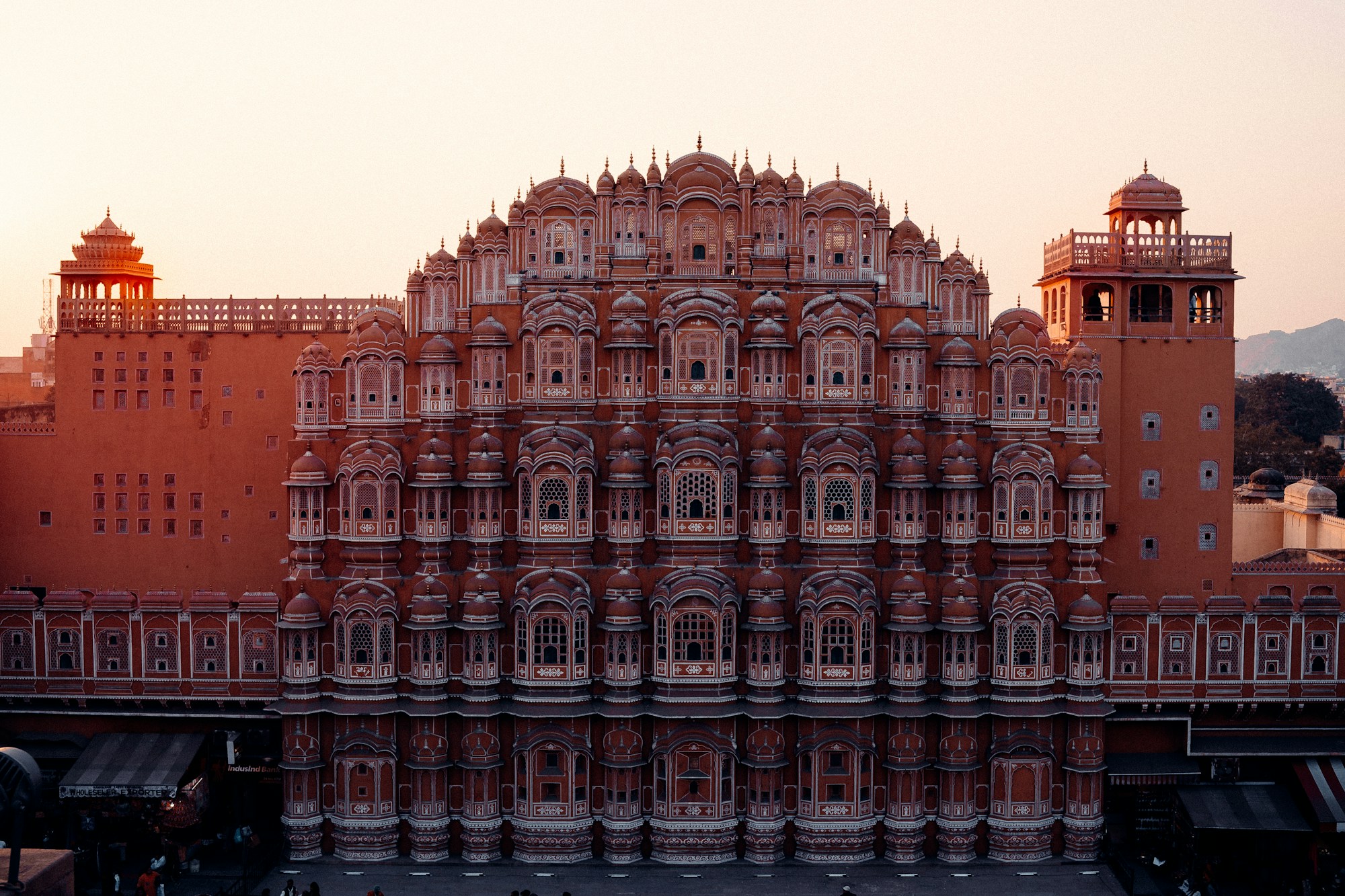
Hawa Mahal is a facade in the most literal and most glorious sense: five storeys of pink sandstone honeycomb, one room deep in places, raised in 1799 so the women of the royal household could observe street life and processions through 953 jharokha✦jharokhaAn enclosed, overhanging balcony window — carved, canopied and cantilevered from palace walls — from which royal women observed the street unseen.…Read in the glossary ↗ windows without themselves being seen.
The architecture is also a machine — the lattices channel breezes through the building (hence 'Palace of Winds'), cooling it through Rajasthan summers. It has become Jaipur's face; the surprise is how few visitors go inside, where ramps built for palanquins spiral up to city views.
Visiting Well
- The facade faces east — first light turns it rose-gold, and by nine the street below is theatre.
- The café terraces opposite give the classic straight-on photograph over morning coffee.
- Entry to the interior is from the rear; the upper floors frame the City Palace and Jantar Mantar.
How Elevated India Arranges It
We fold Hawa Mahal into a dawn old-city walk — facade at sunrise, bazaars waking, then into the City Palace as it opens, all before the heat and coaches arrive.
Questions, Answered
Why was Hawa Mahal built?
Maharaja Sawai Pratap Singh built it in 1799 so the royal zenana (women of the court) could watch Jaipur's street life and festivals through its 953 latticed windows while remaining unseen, in keeping with purdah custom.
Can you go inside Hawa Mahal?
Yes — the entrance is at the rear of the building. Ramps lead to the upper storeys, whose lattices frame views over the Pink City toward the City Palace and Jantar Mantar.
Journeys That Take You There
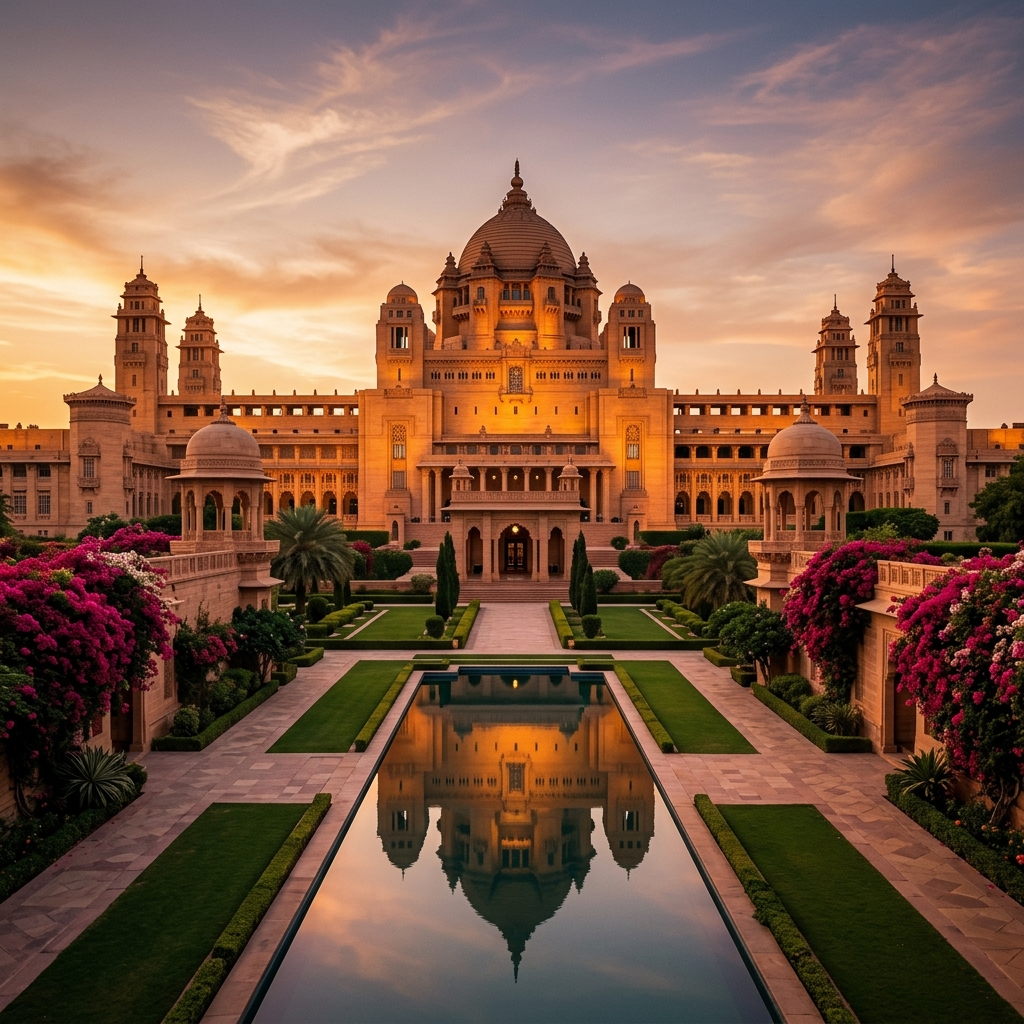
Grand Rajasthan: Royal Palaces & Desert Estates
19 Days / 18 Nights
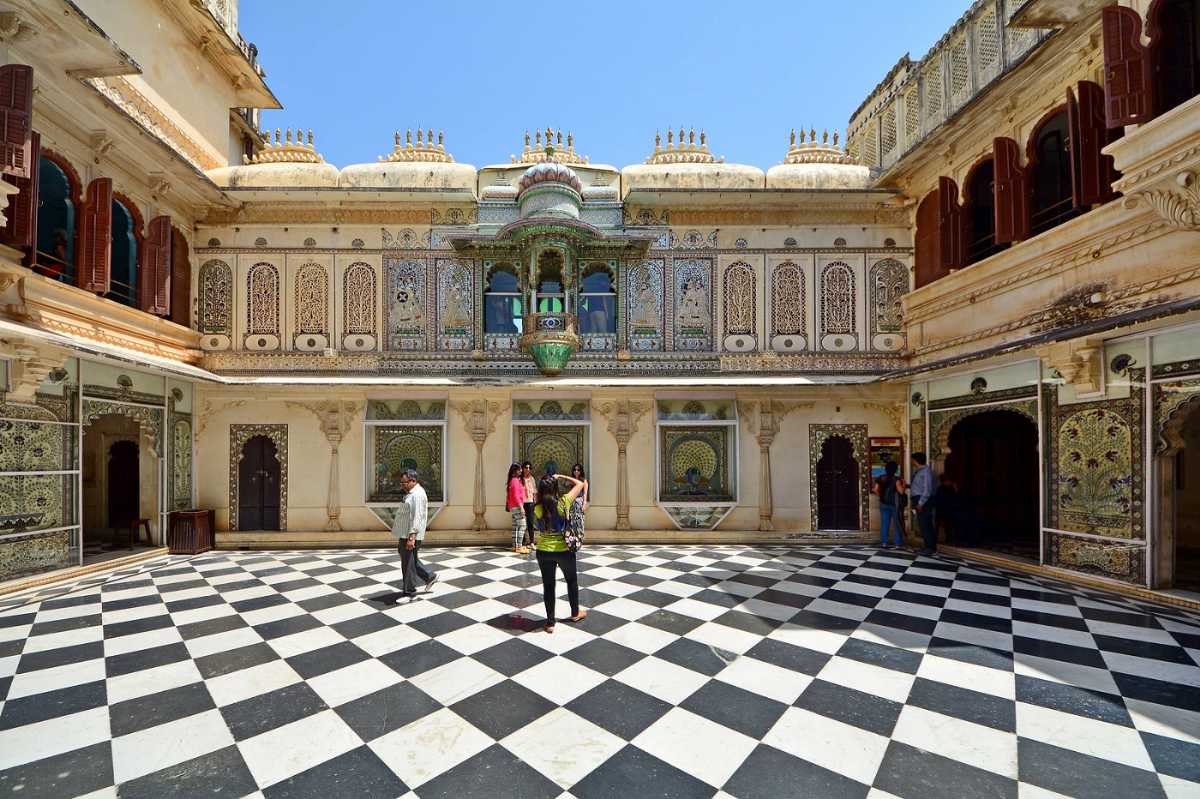
Classic Rajasthan & Pushkar Oasis
12 Days / 11 Nights
Explore the destination guide: Jaipur, Rajasthan ↗